
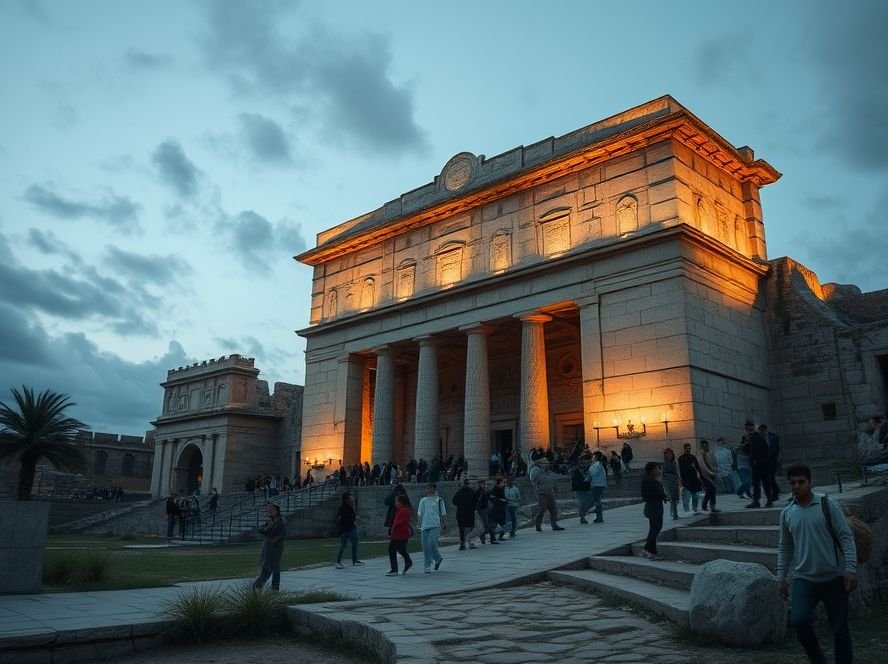
What is World Heritage Sites?
World Heritage Sites are unique landmarks or areas recognized by the United Nations Educational, Scientific and Cultural Organization (UNESCO) for their cultural, historical, scientific, or other forms of significance. These sites are considered to be of outstanding value to humanity, and their preservation ensures that future generations can appreciate and learn from them.
The concept of World Heritage was introduced in the 1972 UNESCO Convention Concerning the Protection of the World Cultural and Natural Heritage. The aim was to identify, protect, and preserve the world’s cultural and natural heritage that is deemed to be of great importance to humanity. Currently, there are over 1,100 sites across the globe, each showcasing diverse aspects of our shared history.
The Importance of World Heritage Sites
World Heritage Sites hold immense importance for several reasons:
- Cultural Significance: These sites represent the artistic and architectural achievements of various cultures, reflecting the history and traditions of different societies.
- Historical Context: Many sites are linked to significant events or figures in history, providing tangible connections to our past.
- Educational Value: World Heritage Sites serve as living museums that offer insights into ancient civilizations, their lifestyles, and their contributions to human knowledge.
- Tourism and Economy: These sites attract millions of visitors each year, significantly contributing to local economies while promoting cultural exchange.
Criteria for Selection as a World Heritage Site
UNESCO has set specific criteria that a site must meet to be considered for World Heritage designation. These criteria include:
- Criterion I: Represent a masterpiece of human creative genius.
- Criterion II: Exhibit an important interchange of human values.
- Criterion III: Bear a unique or least representative example of a traditional human settlement.
- Criterion IV: Be an outstanding example of a type of building, architectural or technological ensemble.
- Criterion V: Be an outstanding example of a traditional human settlement.
- Criterion VI: Be directly or tangibly associated with events or living traditions.
- Criterion VII: Contain superlative natural phenomena or areas of exceptional natural beauty.
- Criterion VIII: Be outstanding examples representing significant ongoing ecological and biological processes.
Notable World Heritage Sites
There are numerous World Heritage Sites that cater to various interests, especially those curious about history and ancient civilizations. Here are a few notable examples:
- The Great Wall of China: An incredible feat of engineering, this ancient wall stretches over 13,000 miles and showcases the historical military practices of ancient China.
- Petra, Jordan: Known as the “Rose City,” Petra is famous for its rock-cut architecture and water conduit system, reflecting the ingenuity of the Nabateans.
- Stonehenge, England: This prehistoric monument is a marvel of ancient engineering and holds significant cultural value, with ties to various historical interpretations.
- The Pyramids of Giza, Egypt: As one of the Seven Wonders of the Ancient World, these pyramids are not only architectural masterpieces but also serve as tombs for pharaohs.
Applications of World Heritage Sites in Everyday Life
Understanding World Heritage Sites can enhance your life in several practical ways:
- Travel Planning: When planning your next vacation, consider visiting a World Heritage Site to enrich your travel experience with history and culture.
- Education: Use these sites as educational resources for learning about ancient civilizations, their achievements, and the importance of preservation.
- Cultural Awareness: Engaging with World Heritage Sites fosters appreciation for diverse cultures and histories, promoting global understanding.
Related Concepts
Understanding World Heritage Sites can also lead you to explore related concepts, such as:
- Cultural Heritage: The legacy of physical artifacts and intangible attributes of a group or society.
- Natural Heritage: The natural features, geological and physiographical formations, and habitats of flora and fauna of outstanding universal value.
- Conservation: The responsible management of the heritage sites to ensure their preservation for future generations.
Conclusion
World Heritage Sites are not just places; they are gateways to understanding our global history and the richness of various cultures. By exploring these sites, we can connect with our past, appreciate the achievements of ancient civilizations, and recognize the importance of preserving these treasures for future generations. Consider visiting a World Heritage Site, whether in your own country or abroad, to experience firsthand the beauty and significance of our shared heritage.
Reflect on the importance of preserving our world’s history and consider how you can contribute to this cause. Whether through education, travel, or community involvement, every action counts in protecting our cultural legacy.