
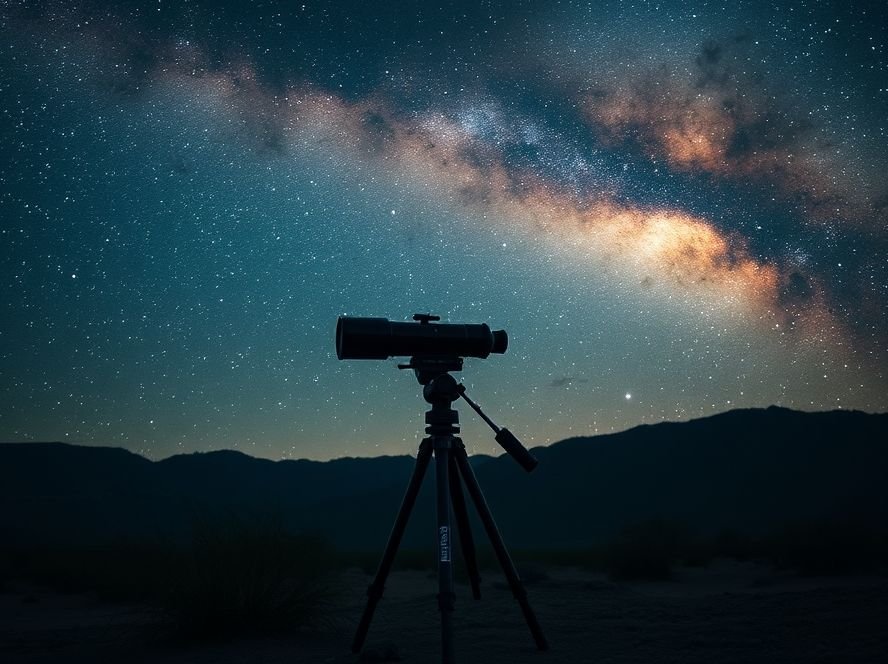
What is Stargazing?
Stargazing is the act of observing the stars and celestial bodies in the night sky. This activity can be as simple as looking up at the stars from your backyard or as complex as using telescopes to explore distant galaxies. Stargazing not only allows individuals to appreciate the beauty of the universe but also serves as a gateway to understanding the fundamental principles of astronomy and space science.
The Importance of Stargazing
Stargazing plays a crucial role in both scientific discovery and personal well-being. For centuries, astronomers have relied on stargazing to chart the movements of celestial objects, leading to significant advancements in our understanding of the universe. Moreover, stargazing can foster a sense of wonder and connection to the cosmos, promoting mental health and mindfulness.
Essential Tools for Stargazing
While stargazing can be done with the naked eye, utilizing specific tools can enhance the experience:
- Binoculars: These are a great entry-level tool for beginners, providing a closer look at stars and planets without the complexity of a telescope.
- Telescope: For more serious enthusiasts, telescopes allow for detailed observations of celestial bodies, including planets, star clusters, and galaxies.
- Star Charts and Apps: These tools help identify constellations and celestial events, making it easier for stargazers to navigate the night sky.
How to Stargaze Effectively
Here are some practical tips to enhance your stargazing experience:
- Choose the Right Location: Find a dark area away from city lights to minimize light pollution. National parks and rural areas are often ideal.
- Check the Weather: Clear skies are essential for stargazing. Use weather apps to ensure optimal conditions.
- Plan Your Session: Research celestial events, such as meteor showers or planetary alignments, to make the most of your stargazing night.
Applications of Stargazing in Daily Life
Stargazing can be incorporated into your daily life in various ways:
- Education: Stargazing serves as an excellent educational tool for children and adults alike. It can spark interest in science and encourage learning about astronomy.
- Mindfulness and Relaxation: Spending time under the stars can be a calming experience, promoting relaxation and reducing stress levels.
- Community Engagement: Join local astronomy clubs or participate in stargazing events to connect with others who share your passion for the universe.
Concepts Related to Stargazing
Understanding stargazing also involves familiarizing oneself with several related concepts:
- Astronomy: The scientific study of celestial bodies, space, and the universe as a whole.
- Light Pollution: The excessive artificial light that obscures our view of the stars, which can be mitigated by choosing appropriate stargazing locations.
- Celestial Navigation: The use of stars to determine one’s position on Earth, a practice with historical significance in navigation.
Final Thoughts on Stargazing
Stargazing is more than just a hobby; it’s an opportunity to explore the wonders of the universe and connect with something greater than ourselves. Whether you are a novice or an experienced astronomer, the night sky offers endless possibilities for discovery and reflection. So grab your binoculars or telescope, find a dark spot, and enjoy the magnificent view above!
Engage with the universe through stargazing and let it inspire your curiosity about the cosmos. Every glance at the stars can lead to new questions, discoveries, and a deeper appreciation of the world around us.