
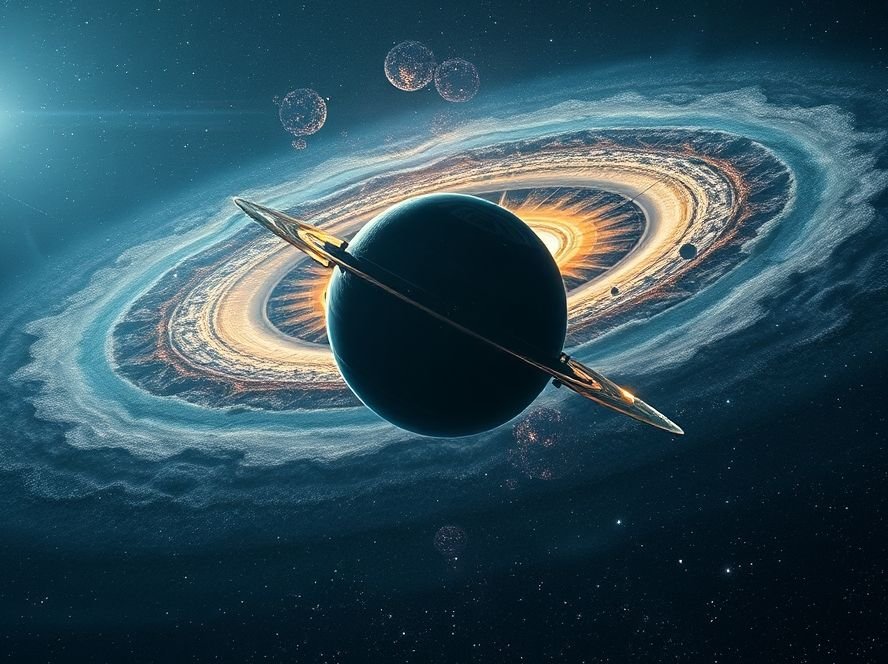
What is Space Imaging?
Space imaging refers to the collection and interpretation of images taken from space, utilizing various technologies to capture detailed views of celestial bodies, Earth, and beyond. This process plays a crucial role in scientific research, exploration, and understanding our universe.
The Importance of Space Imaging
Space imaging is essential for numerous reasons. It helps scientists study planetary surfaces, monitor climate changes, and explore distant galaxies. With advancements in imaging technology, we can now see more details than ever before, leading to discoveries that were once thought impossible.
How Does Space Imaging Work?
Space imaging works through a combination of satellite technology, telescopes, and advanced imaging techniques. Satellites equipped with high-resolution cameras capture images of Earth and other celestial bodies. These images are then processed and analyzed to extract valuable information.
Types of Space Imaging Technologies
- Optical Imaging: Uses visible light to capture images. This is the most common form of space imaging, often used by telescopes such as Hubble.
- Infrared Imaging: Captures thermal radiation, allowing scientists to see heat signatures. This is particularly useful for studying celestial bodies that emit little visible light.
- Radar Imaging: Uses radio waves to capture surface details. This method is often employed in planetary missions.
- Multi-spectral Imaging: Combines data from different wavelengths to create comprehensive images. This technique is vital for understanding the composition of celestial bodies.
Applications of Space Imaging
Space imaging has numerous practical applications that extend beyond scientific research. Here are a few examples:
- Climate Monitoring: Satellites provide real-time data on weather patterns, helping scientists predict climate changes and natural disasters.
- Agriculture: Farmers utilize space imaging to monitor crop health, optimize irrigation, and increase yield.
- Urban Planning: City planners use satellite images to analyze land use, plan infrastructure, and manage resources efficiently.
- Disaster Management: Space imaging aids in assessing damage during natural disasters, allowing for quicker response and recovery efforts.
Real-World Examples of Space Imaging
Several missions have significantly contributed to our understanding of space through imaging:
- Hubble Space Telescope: Launched in 1990, Hubble has provided stunning images of distant galaxies, nebulae, and other celestial phenomena, revolutionizing our understanding of the universe.
- NASA’s Mars Rover Missions: Rovers like Curiosity and Perseverance use advanced imaging technologies to capture detailed images of Mars’ surface, searching for signs of past life.
- Global Precipitation Measurement (GPM): This mission uses space imaging to monitor rainfall globally, improving weather forecasting and climate studies.
How to Utilize Space Imaging in Daily Life
While space imaging may seem distant from our daily lives, there are ways to engage with this fascinating field:
- Follow Space Agencies: Stay updated with the latest findings and images from agencies like NASA and ESA through their websites and social media.
- Explore Satellite Imagery: Use platforms like Google Earth to view satellite images of your local area and beyond, discovering changes over time.
- Engage with Educational Resources: Many online platforms offer courses and resources about space imaging and its significance, allowing you to deepen your knowledge.
Related Concepts in Space Imaging
Understanding space imaging can be enriched by exploring related concepts:
- Astronomy: The scientific study of celestial bodies, where imaging plays a critical role in observations.
- Remote Sensing: A broader field that includes space imaging as one of its techniques for collecting data about Earth’s surface.
- Astrophotography: The art of capturing images of celestial objects, often using techniques similar to those employed in space imaging.
Conclusion
Space imaging is not just a technical term; it is a gateway to understanding our universe. From monitoring climate changes to aiding in disaster management, its applications are vast and impactful. As technology continues to evolve, our ability to capture and interpret images from space will only enhance our knowledge and appreciation of the cosmos.
Reflect on how space imaging shapes our understanding of the universe and consider how you can engage with this fascinating field in your everyday life.