
What is Space Exploration Technology?
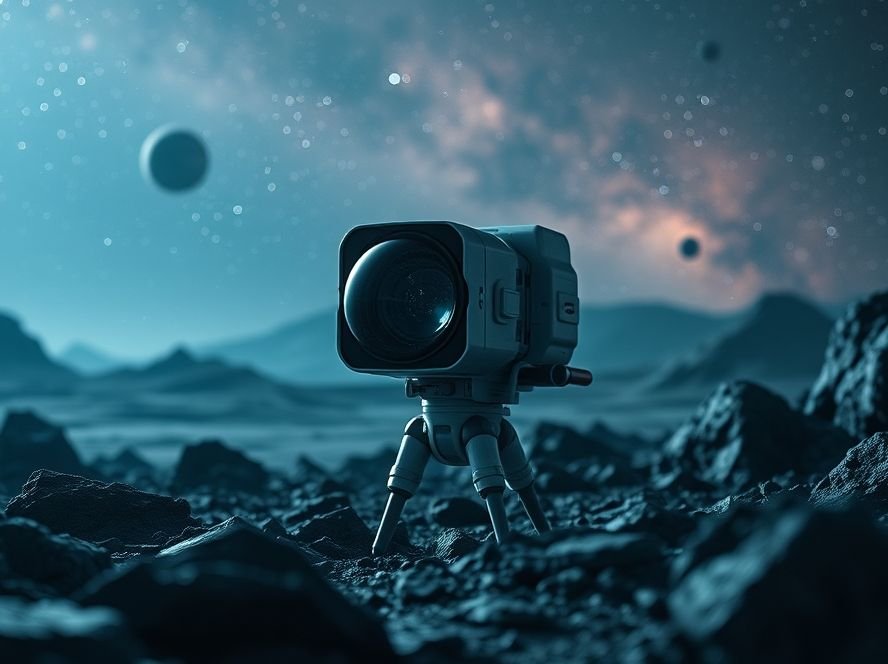
Space exploration technology refers to the tools, methods, and innovations developed to explore outer space. This field encompasses everything from spacecraft design and satellite technology to propulsion systems and extraterrestrial habitation. The significance of space exploration technology lies in its ability to enhance our understanding of the universe, facilitate scientific discovery, and foster advancements in various sectors, including telecommunications, meteorology, and even medicine.
The Importance of Space Exploration Technology
As humanity continues to gaze at the stars, the importance of space exploration technology cannot be overstated. It plays a vital role in:
- Scientific Research: Helping scientists understand celestial phenomena, planetary systems, and the fundamental laws of physics.
- Technological Advancements: Driving innovation in materials science, robotics, and computer technology, which often trickles down to everyday applications.
- Global Collaboration: Encouraging international partnerships in science and technology, leading to shared knowledge and resources.
- Inspiration for Future Generations: Capturing the imagination of young minds and encouraging them to pursue careers in science, technology, engineering, and mathematics (STEM).
Key Components of Space Exploration Technology
To fully appreciate space exploration technology, it’s essential to understand its key components:
- Spacecraft: Vehicles designed for travel or operation in outer space. Examples include the Mars Rover, which explores the surface of Mars, and the Hubble Space Telescope, which observes distant celestial bodies.
- Launch Vehicles: Rockets and other launch systems used to send payloads into space. The SpaceX Falcon 9 and NASA’s Space Launch System (SLS) are prime examples.
- Propulsion Systems: Technologies that enable spacecraft to maneuver in space. Innovations like ion propulsion systems and solar sails are paving the way for more efficient travel.
- Life Support Systems: Essential for enabling human presence in space. These systems provide oxygen, water, and food, as well as waste management solutions.
Applications of Space Exploration Technology
Space exploration technology has numerous practical applications that extend beyond the realm of space. Some notable examples include:
- Satellite Communications: Satellites developed through space exploration technology facilitate global telecommunications, internet access, and weather forecasting.
- Earth Monitoring: Technologies used in space allow for the monitoring of climate change, natural disasters, and environmental degradation.
- Medical Advances: Innovations in materials and robotics for space missions have led to advancements in medical devices and surgical techniques.
- Transportation and Navigation: GPS technology, which relies on satellite systems, is a direct result of advancements in space exploration technology.
How to Engage with Space Exploration Technology in Daily Life
While space exploration may seem distant, there are practical ways to engage with its technology in daily life:
- Education: Explore educational resources about space technology and engage with local science centers or planetariums.
- Citizen Science: Participate in projects like Galaxy Zoo, where you can help classify galaxies from data collected by space telescopes.
- Stay Informed: Follow space agencies like NASA and ESA (European Space Agency) for updates on missions and technological advancements.
- Support STEM Education: Encourage young people to pursue careers in science and technology, fostering the next generation of innovators.
Related Concepts in Space Exploration
Understanding space exploration technology also involves exploring related concepts:
- Astronautics: The science and technology of space travel and exploration.
- Aerospace Engineering: The branch of engineering that deals with the development of aircraft and spacecraft.
- Astrobiology: The study of the origin, evolution, and possibility of life in the universe.
- Planetary Science: The study of planets, moons, and planetary systems, particularly our solar system.
Final Thoughts on Space Exploration Technology
Space exploration technology is not just about traveling to distant planets; it’s about expanding human knowledge and improving life on Earth. By understanding and engaging with this fascinating field, we can all play a part in the ongoing journey to explore the universe. Consider how you can apply this knowledge, whether through education, advocacy, or simply by staying curious about the cosmos.
As we continue to advance our technology and understanding of the universe, remember that every great journey begins with a single step—perhaps that step is just a question away.