
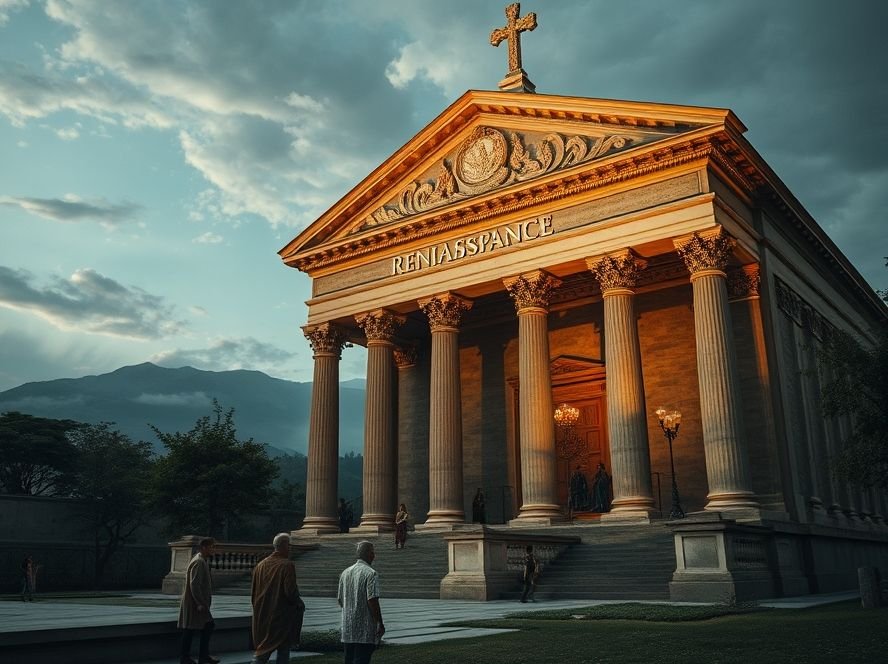
What is Renaissance Art?
Renaissance Art refers to the artistic movement that began in Italy during the 14th century and lasted until the 17th century, marking a period of cultural revival and transformation. It represents a bridge between the medieval and modern worlds, characterized by a renewed interest in classical antiquity, humanism, and the beauty of the natural world.
The Importance of Renaissance Art
The significance of Renaissance Art lies not only in its aesthetic appeal but also in its profound impact on Western culture. This period produced masterpieces that challenged existing norms and pushed the boundaries of artistic expression. Artists like Leonardo da Vinci, Michelangelo, and Raphael introduced techniques such as linear perspective and chiaroscuro, enhancing the realism and emotional depth of their works.
Key Characteristics of Renaissance Art
- Humanism: Renaissance Art shifted focus from religious subjects to human experiences, celebrating individualism and the human form.
- Naturalism: Artists aimed to depict subjects with greater accuracy, capturing the nuances of light, shadow, and anatomical precision.
- Classical Influence: The revival of Greek and Roman art, philosophy, and literature inspired artists to incorporate classical themes and motifs.
- Innovative Techniques: Techniques like linear perspective allowed artists to create an illusion of depth, making their works more lifelike.
Prominent Artists and Their Contributions
Several artists defined the Renaissance and left a lasting legacy in the art world. Here are a few notable figures:
- Leonardo da Vinci: Known for masterpieces like the Mona Lisa and The Last Supper, he combined art and science, studying anatomy to enhance realism.
- Michelangelo: A sculptor, painter, and architect, his works include the David and the Sistine Chapel ceiling, showcasing his mastery of form and emotion.
- Raphael: Renowned for his harmonious compositions and clarity of form, his works like The School of Athens illustrate the ideals of balance and beauty.
How Renaissance Art Influenced Modern Culture
The impact of Renaissance Art extends beyond its time, influencing various aspects of modern culture:
- Artistic Techniques: Many techniques developed during the Renaissance, such as oil painting and perspective, are foundational in art education today.
- Cultural References: Renaissance themes and imagery continue to appear in literature, film, and other forms of media, demonstrating its enduring relevance.
- Philosophical Ideas: The emphasis on humanism paved the way for modern philosophical thought, valuing individual experience and rationality.
Applications of Renaissance Art in Everyday Life
Understanding Renaissance Art can enrich our appreciation of culture and history. Here are practical applications:
- Art Appreciation: Visiting museums or galleries featuring Renaissance works can deepen your understanding of artistic techniques and historical context.
- Creative Inspiration: Artists and designers can draw inspiration from Renaissance styles, adapting classical elements into contemporary works.
- Educational Insights: Teachers can use Renaissance Art to engage students in discussions about history, culture, and the evolution of artistic expression.
Related Concepts in Renaissance Art
Several concepts are closely tied to Renaissance Art, enriching our understanding of the period:
- Baroque Art: Emerging after the Renaissance, Baroque Art expanded on its dramatic intensity and emotion, leading to a different artistic direction.
- Humanism: The intellectual movement that fueled Renaissance Art, emphasizing the value of human beings and their experiences.
- Classicism: The influence of ancient Greek and Roman culture on Renaissance artists, evident in their themes, subjects, and techniques.
Conclusion: The Lasting Legacy of Renaissance Art
Renaissance Art represents a pivotal moment in history, shaping not only the trajectory of art but also influencing modern thought and culture. Its focus on human experience, innovative techniques, and classical ideals continue to resonate today. By exploring and understanding this rich artistic movement, we can gain valuable insights into our own cultural landscape.
As you delve into the wonders of Renaissance Art, consider how you can apply its principles in your own creative endeavors or everyday experiences. Whether through visiting a museum, creating art, or simply reflecting on the beauty around you, the legacy of Renaissance Art invites us to appreciate the world more deeply.