
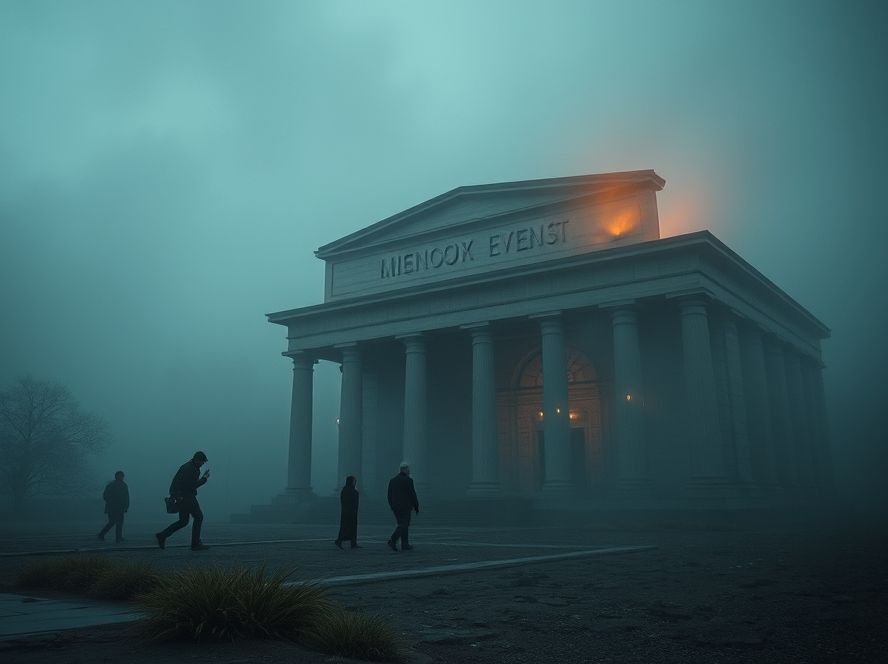
What is Mysterious Events?
Mysterious events refer to occurrences that elude explanation, often steeped in history, folklore, or the unknown. These events can range from ancient artifacts without clear origins to inexplicable phenomena that challenge our understanding of history and science. In essence, they encapsulate the allure of the unknown, inviting curiosity and exploration.
The Importance of Mysterious Events in History
Mysterious events play a vital role in shaping our understanding of ancient civilizations and human history. They serve as a bridge between the known and the unknown, prompting researchers, historians, and enthusiasts to delve deeper into the past. By studying these enigmas, we uncover insights into the lives, beliefs, and practices of our ancestors.
Contextualizing Mysterious Events
Throughout history, mysterious events have sparked debates and investigations. From the disappearance of the Lost Colony of Roanoke to the construction techniques of the Pyramids of Giza, these events challenge our conventional understanding of history. They prompt questions such as:
- What happened to the people involved?
- How were these feats accomplished?
- What can we learn about the cultures that experienced these events?
Examples of Mysterious Events
Here are some notable examples of mysterious events that continue to captivate historians and the public:
- The Nazca Lines: Enormous geoglyphs etched into the Peruvian desert, their purpose remains unclear.
- The Voynich Manuscript: An illustrated codex filled with undecipherable text, intriguing cryptographers for centuries.
- Stonehenge: The origin and purpose of this prehistoric monument remain subjects of speculation and research.
- The Bermuda Triangle: A region where numerous ships and planes have disappeared under unexplained circumstances.
Real-World Applications of Understanding Mysterious Events
Understanding mysterious events can have practical implications in various fields, including archaeology, anthropology, and even tourism. Here’s how:
- Archaeological Studies: Researchers can utilize data from mysterious events to formulate hypotheses about ancient societies, leading to new discoveries.
- Cultural Tourism: Sites associated with mysterious events attract tourists, generating economic benefits and fostering cultural appreciation.
- Educational Initiatives: Schools and museums can incorporate these events into their curricula, engaging students with history in an interactive way.
How to Explore Mysterious Events in Your Daily Life
Curiosity about mysterious events can easily be integrated into your daily life. Here are some actionable steps:
- Visit Historical Sites: Plan trips to locations associated with mysterious events.
- Read Books and Articles: Explore literature that delves into the mysteries of history.
- Engage in Discussions: Join online forums or groups focused on historical mysteries to exchange perspectives and findings.
Related Concepts in Historical Mysteries
To better understand mysterious events, it’s helpful to explore related concepts:
- Archaeological Mysteries: Focus on unexplained artifacts or ancient technologies.
- Historical Anomalies: Events or findings that contradict established historical understanding.
- Folklore and Mythology: Tales that may hold kernels of truth about mysterious events.
Conclusion: The Value of Exploring Mysterious Events
Mysterious events provide a unique lens through which we can view history. They encourage investigation and inspire wonder, reminding us that not all questions have clear answers. Engaging with these events fosters a deeper appreciation for our past and the complexities of human experience.
As you reflect on the mysterious events that have captured your imagination, consider how they shape your understanding of history and culture. Embrace the unknown, and let it drive your curiosity further into the fascinating world of ancient civilizations.