
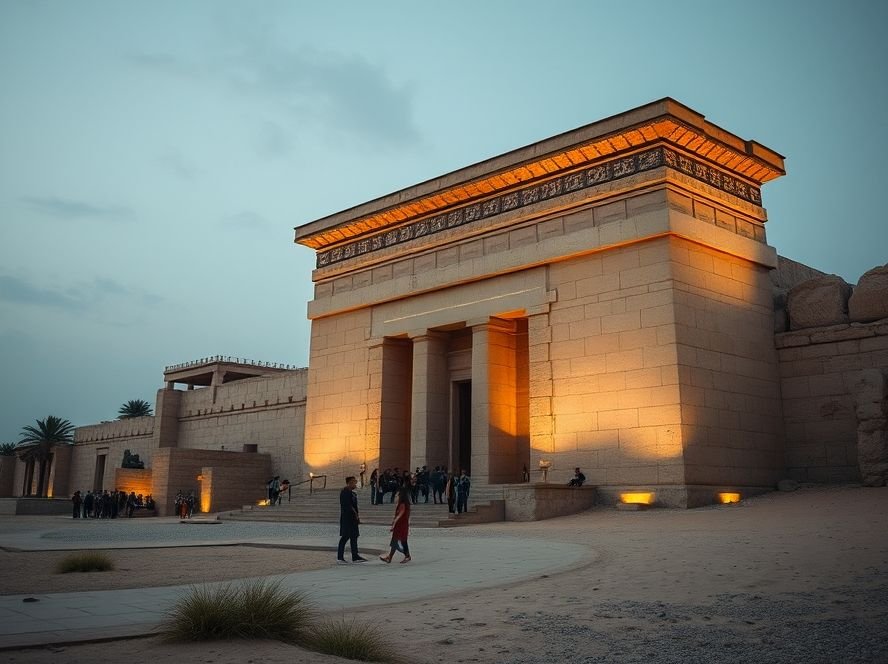
What is Mesopotamia?
Mesopotamia, often referred to as the “cradle of civilization,” is a historical region situated between the Tigris and Euphrates rivers in modern-day Iraq and parts of Syria, Turkey, and Iran. This area is renowned for being one of the earliest centers of human civilization, where various cultures such as the Sumerians, Akkadians, Babylonians, and Assyrians flourished.
The Importance of Mesopotamia in World History
Understanding Mesopotamia is crucial for grasping the development of human societies. It is here that significant advancements in writing, agriculture, and urban planning first emerged. The invention of cuneiform writing around 3200 BCE allowed for record-keeping, which was essential for trade and governance. Additionally, the agricultural techniques developed in Mesopotamia laid the foundation for food production that supported large populations.
Key Civilizations of Mesopotamia
Mesopotamia was home to several key civilizations that contributed greatly to human history:
- Sumerians: Known for creating one of the first writing systems, the Sumerians also developed city-states like Ur and Uruk, which featured monumental architecture such as ziggurats.
- Akkadians: The Akkadian Empire, founded by Sargon of Akkad, was the first to unite the various city-states under a centralized government.
- Babylonians: Famous for the Code of Hammurabi, one of the earliest written legal codes, the Babylonians made significant contributions to mathematics and astronomy.
- Assyrians: Known for their military prowess and vast empire, the Assyrians were also cultural innovators, contributing to literature and art.
Geography and Environment of Mesopotamia
The geography of Mesopotamia played a pivotal role in its development. Nestled between the Tigris and Euphrates rivers, the region experienced fertile soil due to annual flooding, which allowed for successful agriculture. This abundance of resources attracted various groups, leading to increased population density and the growth of cities.
Environmental Challenges
While the rivers provided fertile land, they also posed challenges, including unpredictable flooding and droughts. The inhabitants of Mesopotamia developed irrigation systems to manage water resources effectively, showcasing their ingenuity in overcoming environmental obstacles.
Culture and Society in Mesopotamia
Mesopotamian culture was rich and diverse, marked by advancements in various fields:
- Religion: Polytheistic beliefs were central to Mesopotamian life, with gods and goddesses representing natural forces and city-states.
- Art and Architecture: Mesopotamians created intricate sculptures, pottery, and impressive architectural structures, including ziggurats that served as temples.
- Literature: Works like the Epic of Gilgamesh are among the oldest literary texts, reflecting the values and struggles of ancient societies.
Practical Applications of Understanding Mesopotamia
Understanding Mesopotamia can enrich our knowledge of modern society in several ways:
- Historical Context: By studying Mesopotamian history, we can gain insights into the origins of governance, law, and social organization.
- Cultural Appreciation: Recognizing the contributions of Mesopotamia to art, literature, and science enhances our appreciation for cultural heritage.
- Lessons in Sustainability: The irrigation practices of ancient Mesopotamians provide valuable lessons in managing water resources sustainably in modern contexts.
Related Concepts in the Study of Civilizations
Several concepts are integral to the study of Mesopotamia and its civilizations:
- Ancient Civilizations: Exploring other ancient civilizations like Egypt and the Indus Valley can provide comparative insights into human development.
- Archaeology: The archaeological study of Mesopotamia continues to uncover artifacts that inform our understanding of ancient life.
- Early Writing Systems: Understanding cuneiform and its evolution can illuminate the development of communication.
Conclusion: The Lasting Legacy of Mesopotamia
Mesopotamia’s influence on modern society is profound. Its innovations in governance, writing, and urban living set the stage for future civilizations. As we explore the mysteries and facts of this ancient region, we are reminded of the complexity and richness of human history.
By engaging with the history of Mesopotamia, we not only satisfy our curiosity but also draw connections to contemporary issues, enriching our understanding of where we come from and where we are headed.
Reflection
Consider how the lessons learned from Mesopotamian civilization can be applied in your own life. Whether it’s through sustainable practices or appreciating cultural diversity, the echoes of this ancient region resonate in our modern world.