What is Meditation Techniques?
Meditation techniques encompass a variety of practices designed to promote relaxation, enhance mental clarity, and foster emotional balance. These techniques can be utilized by individuals seeking to improve their mental health, increase mindfulness, and find inner peace. In this article, we will delve deeper into the different types of meditation techniques, their historical context, practical applications, and their significance in today’s fast-paced world.
Historical Context of Meditation
Meditation has roots that trace back thousands of years, with origins found in ancient religious traditions across Asia, particularly in Hinduism, Buddhism, and Taoism. Initially regarded as spiritual practices, meditation techniques have evolved over time and are now recognized for their mental and emotional benefits. The historical significance of meditation lies not only in its spiritual practices but also in its adaptation into modern psychology and wellness.
Types of Meditation Techniques
There are numerous meditation techniques, each with unique approaches and benefits. Here are some of the most widely practiced:
- Mindfulness Meditation: This technique encourages individuals to focus on the present moment, observing thoughts and feelings without judgment. Practitioners often use their breath as an anchor to maintain focus.
- Transcendental Meditation: Involves the use of a mantra to help settle the mind into a state of profound rest and relaxation.
- Guided Meditation: This technique uses visualization or guided instructions, often provided by an instructor or via audio recordings, to lead the practitioner through a meditative journey.
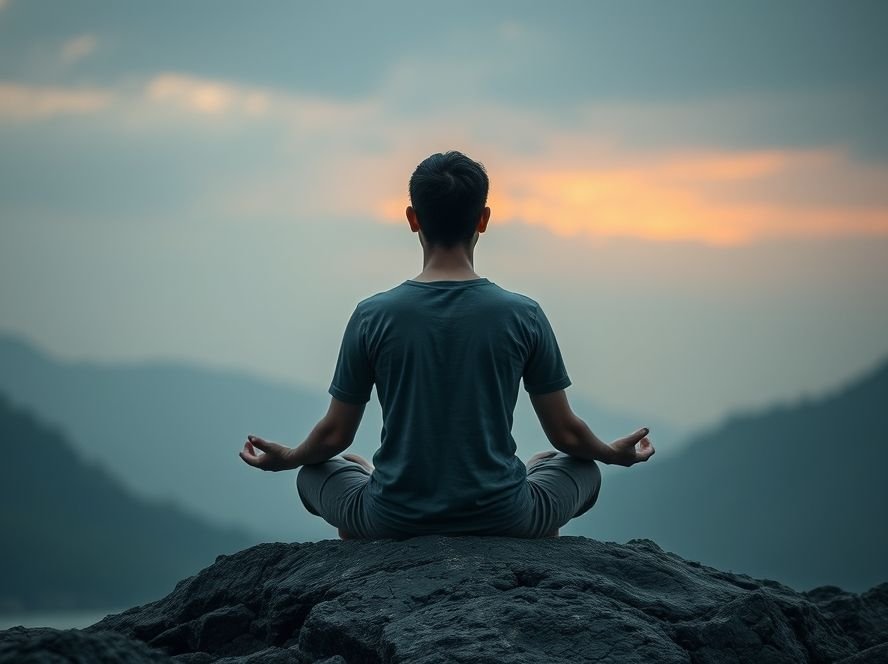
- Zen Meditation (Zazen): Originating from Buddhism, this practice involves sitting in a specific posture and focusing on breathing while letting thoughts pass without attachment.
- Loving-Kindness Meditation (Metta): This technique focuses on cultivating an attitude of love and kindness towards oneself and others through repetitive phrases and visualizations.
Benefits of Meditation Techniques
Engaging in meditation can yield numerous benefits for mental, emotional, and physical well-being:
- Reduces Stress: Meditation techniques have been shown to decrease stress levels by promoting relaxation and encouraging a calm state of mind.
- Enhances Concentration: Regular practice can improve focus and attention span, making it easier to engage in daily tasks.
- Improves Emotional Health: Meditation contributes to better emotional regulation, reducing symptoms of anxiety and depression.
- Promotes Self-Awareness: Many meditation techniques help individuals gain insight into their thoughts and behaviors, fostering personal growth.
- Improves Sleep: Meditation can facilitate better sleep quality by calming the mind and reducing insomnia symptoms.
How to Incorporate Meditation Techniques in Daily Life
Integrating meditation into your daily routine can be simple and effective. Here are some practical steps:
- Start Small: Begin with just five minutes a day, gradually increasing the duration as you become more comfortable.
- Find a Quiet Space: Choose a peaceful environment where you can sit or lie down comfortably without distractions.
- Use Guided Resources: Utilize apps or online videos that provide guided meditations to help you get started.
- Establish a Routine: Try to meditate at the same time every day, whether it’s in the morning, during lunch breaks, or before bed.
- Stay Patient: Meditation is a skill that takes time to develop. Be patient with yourself as you learn and grow.
Real-World Applications of Meditation Techniques
Meditation techniques are not only beneficial for personal development but also have applications in various fields:
- Education: Schools are increasingly incorporating mindfulness practices to help students enhance focus and reduce anxiety.
- Healthcare: Medical professionals use meditation techniques as part of holistic approaches to treat chronic pain and mental health disorders.
- Corporate Environment: Companies are adopting mindfulness training to boost employee productivity and well-being.
- Sports: Athletes utilize meditation to improve concentration, reduce performance anxiety, and enhance overall mental resilience.
Related Concepts
Understanding meditation techniques can also lead to exploring related concepts in the realm of mental health and wellness:
- Mindfulness: A broader concept that encompasses meditation but also applies to everyday activities and interactions.
- Yoga: Often practiced alongside meditation, yoga combines physical postures with breathing exercises to enhance overall well-being.
- Stress Reduction Techniques: Includes methods like deep breathing exercises and progressive muscle relaxation, which complement meditation practices.
Conclusion
Meditation techniques offer valuable tools for enhancing mental clarity, emotional stability, and overall well-being. By understanding the various forms of meditation and their benefits, individuals can find practical ways to incorporate these practices into their everyday lives. Whether you’re seeking to reduce stress, improve focus, or foster self-awareness, meditation can serve as a powerful ally on your journey of personal growth. Take a moment to reflect on how you might implement these techniques into your life today.
Embrace the journey of meditation, and discover the transformative power it holds for your mind and spirit.