
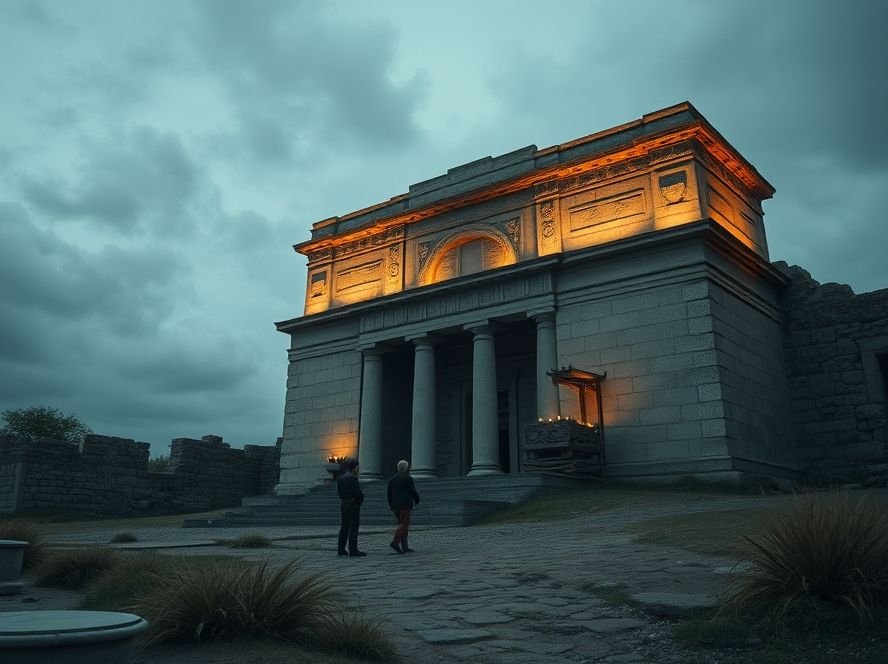
What is Historical Mysteries
Historical mysteries refer to enigmatic events, artifacts, or figures from the past that remain unsolved or shrouded in uncertainty. These mysteries captivate the imagination and provoke curiosity, offering glimpses into ancient civilizations and their intriguing stories. They encompass a wide range of phenomena, from lost civilizations to unexplained artifacts, and have become a significant area of interest for historians, archaeologists, and enthusiasts alike.
The Importance of Historical Mysteries
Understanding historical mysteries is crucial for several reasons. Firstly, they provide insight into the complexities of human history, revealing cultural practices, social structures, and technological advancements of ancient societies. Secondly, these mysteries often highlight the limits of our knowledge, reminding us that history is a puzzle with many missing pieces. Lastly, they can inspire modern-day exploration and research, as unsolved enigmas encourage scientists and historians to seek answers.
Types of Historical Mysteries
- Lost Civilizations: Civilizations like the Maya and the Indus Valley have left behind remnants that continue to baffle researchers.
- Unexplained Artifacts: Objects such as the Antikythera mechanism and the Pyramids of Giza provoke questions about the technological capabilities of ancient peoples.
- Mysterious Figures: Historical figures like King Arthur or the identity of Jack the Ripper remain subjects of debate and intrigue.
- Historical Events: Events like the disappearance of the Roanoke Colony or the fate of the Ark of the Covenant are wrapped in mystery.
Famous Historical Mysteries and Their Contexts
Some historical mysteries have gained notoriety due to their profound implications:
1. The Lost City of Atlantis
Described by Plato, Atlantis is said to be a powerful civilization that vanished beneath the waves. Its existence remains a topic of speculation, fueling countless theories about its location and nature.
2. The Nazca Lines
These enormous geoglyphs etched into the Peruvian desert have puzzled researchers for decades. The purpose of the lines, which depict animals and shapes, is still unknown, leading to various theories, including astronomical alignments and religious rituals.
3. The Identity of Jack the Ripper
This infamous serial killer of Victorian London remains unidentified. The mystery surrounding Jack the Ripper has spawned numerous books, films, and theories about his identity and motives.
4. The Disappearance of the Roanoke Colony
In 1587, the entire colony of Roanoke vanished without a trace, leaving only the word ‘Croatoan’ carved into a tree. Theories about their fate range from integration with local tribes to relocation or death.
Applications of Understanding Historical Mysteries
Exploring historical mysteries can have practical applications in various fields:
- Education: Incorporating historical mysteries into curricula can engage students and foster critical thinking skills.
- Tourism: Sites associated with historical mysteries often attract tourists, boosting local economies.
- Research: Mysteries can drive archaeological digs and historical studies, leading to new discoveries and insights.
How to Engage with Historical Mysteries
For those intrigued by historical mysteries, there are several ways to engage:
- Read Books: Explore literature on historical mysteries. Authors like Erich von Däniken and Graham Hancock have penned fascinating works.
- Watch Documentaries: Platforms like Netflix and YouTube feature documentaries that delve into historical enigmas.
- Join Discussion Groups: Engage with communities that share your interest in history and mysteries. Online forums and local history clubs are great places to start.
Conclusion: The Ongoing Quest for Knowledge
Historical mysteries are not just tales of the past; they are invitations to explore the unknown. By delving into these enigmas, we not only enrich our understanding of ancient civilizations but also inspire future generations to seek answers. As we continue to investigate these mysteries, we contribute to a broader narrative of human history—one full of wonder, discovery, and the relentless pursuit of knowledge. So, whether you’re reading, watching, or discussing, remember that every mystery is a chance to learn something new.
Related Concepts
- Archaeology: The study of human history through excavation and analysis of artifacts.
- Mythology: Stories and legends that shape the understanding of different cultures.
- Historical Revisionism: The re-examination of historical records, often leading to new interpretations.
In the end, whether you are a history enthusiast or a casual learner, the exploration of historical mysteries can serve as a rewarding journey into our collective past.