
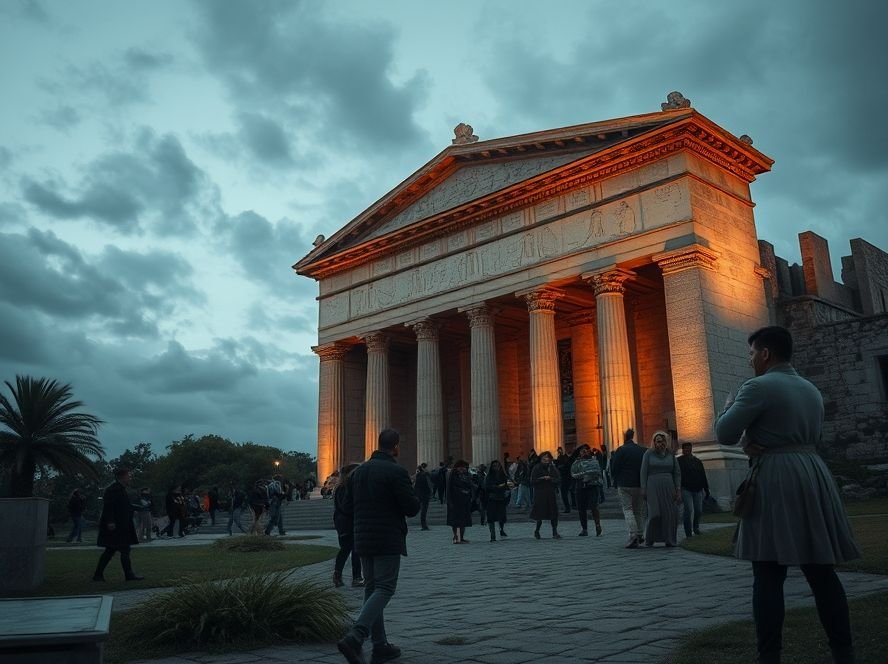
What is Historical Events?
Historical events refer to significant occurrences that have taken place in the past, shaping the course of human history. These events can range from wars and revolutions to discoveries and cultural shifts, influencing societies and civilizations across the globe. Understanding historical events is crucial for grasping the complexities of human experience, as they provide context to our present and future.
The Importance of Studying Historical Events
Studying historical events is essential for several reasons:
- Understanding Context: Historical events offer insight into the social, political, and economic conditions of different eras.
- Learning from the Past: By analyzing past mistakes and successes, societies can make informed decisions to avoid repeating errors.
- Appreciating Cultural Heritage: Historical events contribute to our understanding of cultural identities and heritage.
- Fostering Critical Thinking: Engaging with historical events encourages critical analysis and interpretation of sources.
The Different Types of Historical Events
Historical events can be categorized into various types:
- Political Events: These include revolutions, elections, and treaties. For example, the American Revolution (1775-1783) led to the establishment of a new nation based on democratic principles.
- Social Events: These events encompass movements and shifts within societies, such as the Civil Rights Movement in the United States during the 1950s and 60s, which sought to end racial discrimination.
- Cultural Events: These refer to developments in arts, literature, and philosophy. The Renaissance, a cultural movement from the 14th to the 17th century, marked a revival of classical learning and wisdom.
- Technological Events: Innovations and discoveries that change the way people live, such as the invention of the printing press in the 15th century, which revolutionized communication.
Applications of Historical Events in Everyday Life
Understanding historical events can be immensely beneficial in various aspects of daily life:
- Education: Students can enhance their learning by relating contemporary issues to historical events, fostering a deeper understanding of their subjects.
- Travel: Travelers can gain greater appreciation for the places they visit by learning about the historical events that shaped those locations.
- Critical Discussions: Engaging in discussions about historical events can help individuals articulate their perspectives on modern social and political issues.
Connecting Historical Events to Modern Society
Historical events are intricately linked to contemporary society. By analyzing these connections, we can better understand modern challenges and developments:
- Influence on Current Policies: Historical events often serve as precedents for current political decisions. For example, the Treaty of Versailles after World War I has been analyzed for its implications on modern international relations.
- Social Justice Movements: Today’s movements often draw inspiration from past struggles, such as the fight for gender equality, which has roots in suffragist movements of the early 20th century.
- Historical Narratives: Different cultures interpret historical events in unique ways, influencing national identities and societal values.
Related Concepts to Historical Events
Understanding historical events also involves exploring related concepts:
- Historiography: The study of how history is written and the different perspectives historians bring to historical events.
- Archaeology: The exploration of ancient civilizations through their material remains, providing context to historical narratives.
- Cultural History: Examining how historical events influence culture, art, and societal norms.
Conclusion: The Value of Historical Events
In summary, understanding what historical events are and their significance helps us navigate the complexities of our world. By studying these events, we can learn from the past, appreciate our cultural heritage, and engage meaningfully in contemporary discussions. As we reflect on these occurrences, we are reminded of our place in the continuum of history, encouraging us to take informed actions in our daily lives.
Consider exploring one historical event that resonates with you and reflect on its implications in today’s world. Whether it’s a political revolution or a cultural shift, understanding its context can deepen your appreciation for history’s role in shaping our present.