
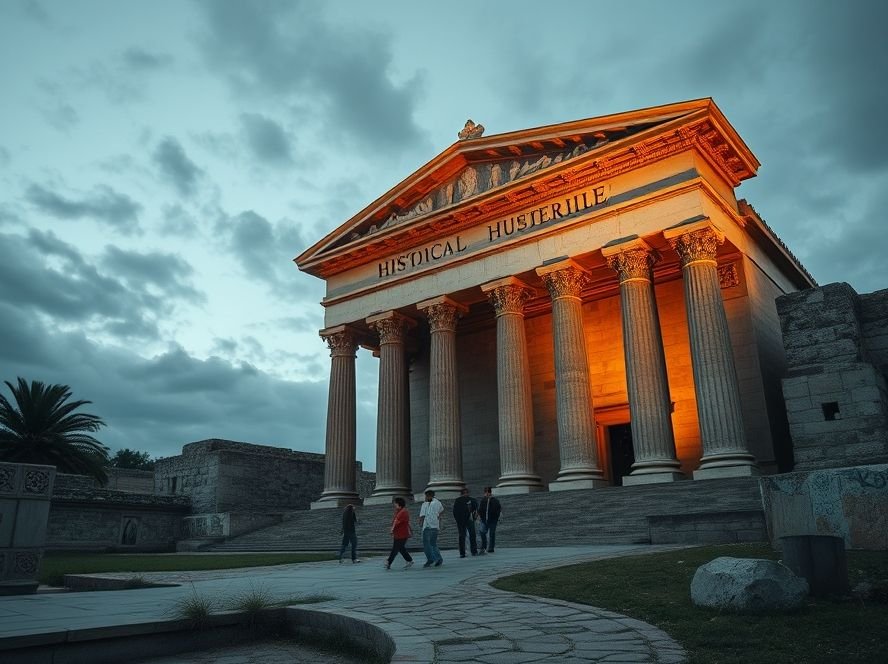
What is Historical Art?
Historical art refers to a genre of art that depicts significant events, figures, or cultural narratives from the past. This form of expression not only serves as a visual documentation of history but also allows us to engage with the emotions and experiences of those who lived in different times. Through paintings, sculptures, and other artistic forms, historical art provides insight into the values, beliefs, and social dynamics of ancient civilizations.
The Importance of Historical Art in Understanding Civilizations
Historical art plays a crucial role in preserving and interpreting the narratives of ancient civilizations. From the intricate murals of the Maya to the grand frescoes of the Roman Empire, these artworks serve as windows into the lives of people long gone. They convey stories of triumph, tragedy, and everyday life, helping us to appreciate the complexities of human experience across time.
Examples of Historical Art Across Civilizations
- Egyptian Art: The tomb paintings and hieroglyphics found in ancient Egypt illustrate the beliefs and practices surrounding death and the afterlife.
- Greek Pottery: The intricate designs on Greek vases not only showcase artistic skill but also depict mythological tales and historical events.
- Renaissance Paintings: Artists like Leonardo da Vinci and Michelangelo created works that not only reflected the cultural rebirth of Europe but also conveyed deep philosophical ideas.
- Indigenous Art: The totem poles of Native American tribes tell stories of ancestry, spirituality, and cultural heritage.
How Historical Art Reflects Cultural Identity
Art is a powerful medium for expressing cultural identity, and historical art is no exception. Each piece tells a story that reflects the values, beliefs, and historical context of the time it was created. For instance, the art of the Aztecs often depicted their gods and rituals, emphasizing their religious worldview. Similarly, the cave paintings of prehistoric humans reveal early forms of expression and communication, highlighting the human need to document and share experiences.
Case Study: The Role of Art in the Renaissance
The Renaissance marked a significant shift in artistic expression, characterized by a renewed interest in classical antiquity. Artists began to explore humanism, nature, and the individual experience. Works such as Botticelli’s “The Birth of Venus” not only showcase technical mastery but also reflect the cultural values of the time, emphasizing beauty, mythology, and human potential.
Applications of Historical Art in Modern Contexts
Understanding historical art is not merely an academic exercise; it has practical applications in various fields today. Educators, historians, and artists alike can draw inspiration from historical artworks to foster creativity and critical thinking. Museums and cultural institutions use these pieces to educate the public about the past, encouraging engagement and dialogue about history and culture.
Using Historical Art in Education
- Curriculum Development: Incorporating historical art into curricula can enhance students’ understanding of historical contexts and encourage analytical skills.
- Creative Projects: Students can recreate historical artworks to better understand the techniques and materials used by ancient artists.
- Field Trips: Visits to museums that house historical art can provide immersive experiences that reinforce classroom learning.
Concepts Related to Historical Art
Understanding historical art also involves exploring related concepts such as:
- Art History: The study of the development of art over time, including styles, movements, and techniques.
- Cultural Heritage: The legacy of physical artifacts and intangible attributes of a group or society inherited from past generations.
- Iconography: The visual images and symbols used in a work of art that convey specific meanings and narratives.
Conclusion: The Lasting Impact of Historical Art
Historical art is more than just a reflection of the past; it is a vital source of knowledge and inspiration for contemporary society. By engaging with these works, we can foster a deeper appreciation for the complexities of human history and the diverse cultures that have shaped our world. As you explore historical art, consider how these pieces can inform your understanding of the past and enrich your present.
Call to Action
Take a moment to reflect on a piece of historical art that resonates with you. Consider visiting a local museum or exploring online collections to deepen your understanding of the stories they tell. Engage with the past and let it inspire your present!