
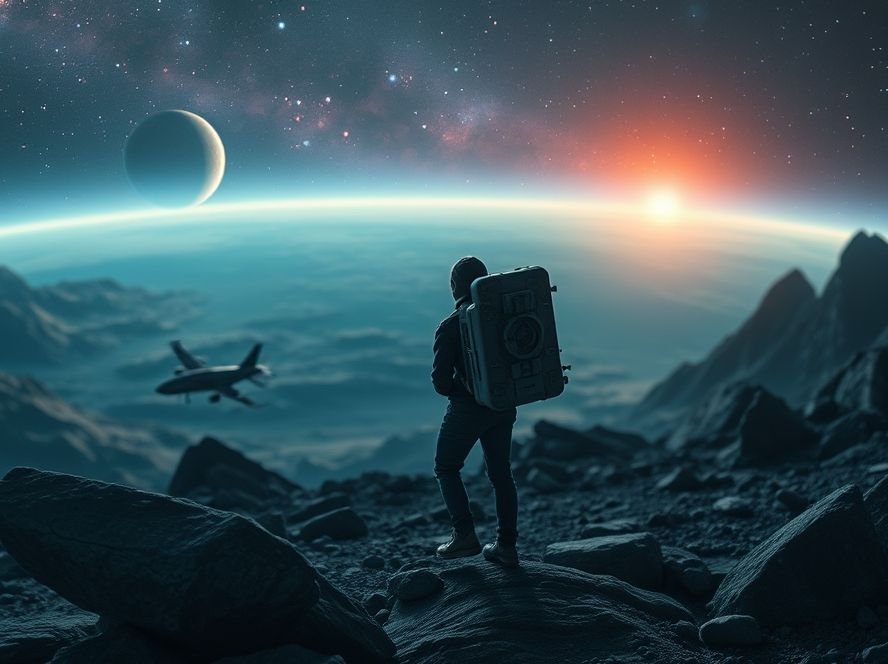
What is the Future of Space Travel?
The future of space travel refers to the upcoming advancements and innovations in the exploration of outer space. With a blend of scientific research, technological innovation, and increased interest from both governmental and private sectors, space travel is poised to evolve dramatically in the coming years. This exploration encompasses missions to the Moon, Mars, and beyond, utilizing technologies that are currently being developed or refined.
Importance of Space Travel
The significance of space travel extends beyond mere exploration. It has profound implications for science, technology, and even philosophy. By understanding our universe, we gain insights into our own planet, improve technology, and inspire future generations. The quest for knowledge about space can also lead to advancements in various fields, including telecommunications, materials science, and even medicine.
Technological Innovations Shaping Space Travel
Several technological advancements are paving the way for the future of space travel. Below are some key innovations:
- Reusable Rockets: Companies like SpaceX have pioneered the development of reusable rocket technology, drastically reducing the cost of sending payloads to space.
- Space Tourism: Companies such as Blue Origin and Virgin Galactic are working on making space travel accessible to private citizens, opening a new frontier in tourism.
- In-Situ Resource Utilization (ISRU): Techniques that allow astronauts to utilize resources found on celestial bodies, such as water on the Moon or Mars, are being developed to make long-term missions feasible.
- Advanced Propulsion Systems: New propulsion technologies like ion drives and nuclear thermal propulsion are being researched to enable faster and more efficient travel through space.
Challenges Facing Space Exploration
While the future of space travel is promising, it is not without its challenges. These include:
- Radiation Exposure: Space travelers are exposed to higher levels of cosmic radiation, which poses health risks over prolonged periods.
- Life Support Systems: Developing reliable life support systems for long-duration missions is crucial for the safety and health of astronauts.
- Cost: The financial investment required for space exploration is significant, and securing funding is a continuous challenge.
- International Cooperation: Collaborative efforts between nations are essential for sharing knowledge and resources, yet political tensions can complicate these relationships.
Applications of Space Travel in Everyday Life
Space travel is not just about exploration; it has practical applications that affect our daily lives. Here are some examples:
- Satellite Technology: The advancements made in space travel have led to improved satellites, enhancing global communication, weather forecasting, and navigation systems.
- Technological Spin-offs: Many technologies developed for space missions, such as improved materials and medical technologies, find applications on Earth.
- Global International Collaboration: Space missions often require collaborative efforts, fostering international partnerships that can lead to advancements in various fields.
How to Engage with the Future of Space Travel
For those interested in the future of space travel, there are several ways to engage with this exciting field:
- Education: Pursuing studies in fields like astronomy, engineering, or physics can lead to careers in space exploration.
- Public Engagement: Participating in local science events, visiting planetariums, or engaging with online courses can enhance your understanding of space travel.
- Follow Space Missions: Stay updated on current missions through reputable space agencies like NASA, ESA, and private companies.
Concepts Related to Space Travel
Understanding the future of space travel also involves familiarizing yourself with related concepts:
- Astronautics: The science and technology of space travel and exploration.
- Astrobiology: The study of the origin, evolution, distribution, and future of life in the universe.
- Cosmology: The science of the origin and development of the universe, providing context for space exploration.
- Space Policy: The regulations and frameworks governing space exploration activities.
Conclusion: The Path Ahead
The future of space travel is bright and filled with potential. As we stand on the brink of a new era in space exploration, the possibilities are endless. By understanding the challenges, technological innovations, and practical applications, we can better appreciate how space travel affects our lives today and will continue to do so in the future.
Engaging with these insights not only enhances our understanding but also inspires curiosity and innovation. So, whether you are a budding scientist, an aspiring astronaut, or simply a curious mind, the journey into the cosmos is just beginning.