
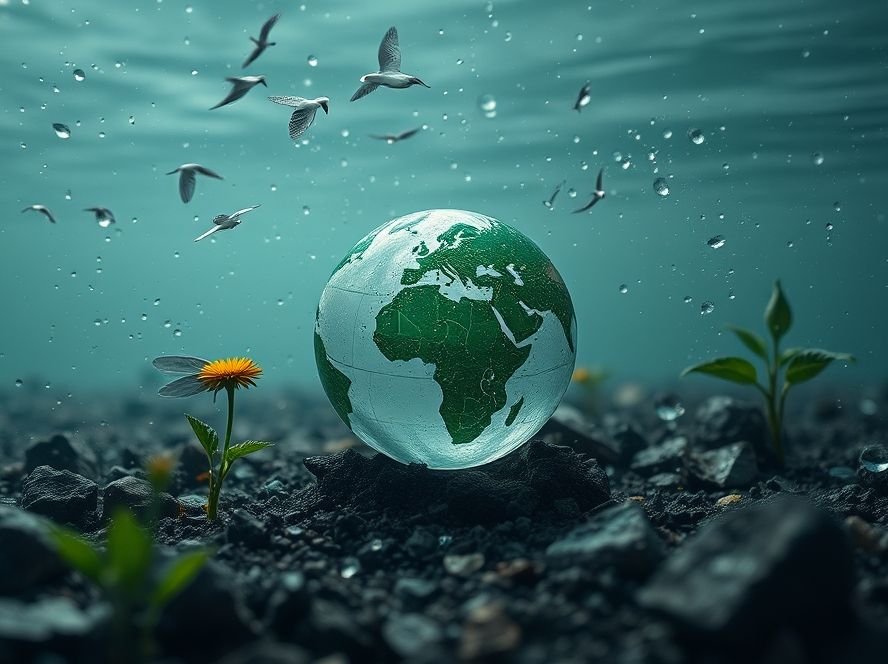
What is Environmental Facts?
Environmental facts refer to data and information that describe the natural world, concerning its ecosystems, species, climate, and human impact on the environment. These facts are crucial for understanding environmental issues and promoting sustainability. They encompass everything from statistics about biodiversity and pollution levels to historical data on climate change and conservation efforts.
The Importance of Environmental Facts
Understanding environmental facts is essential for several reasons:
- Awareness: They help raise awareness about environmental issues.
- Informed Decision-Making: They provide a basis for policy-making and personal choices.
- Education: They are vital in educational settings, shaping future generations’ understanding of science and sustainability.
Key Aspects of Environmental Facts
There are several key aspects of environmental facts that are important for grasping their full impact:
- Biodiversity: The variety of life on Earth, crucial for ecosystem balance.
- Climate Change: Long-term changes in temperature and weather patterns, primarily caused by human activities.
- Pollution: The introduction of harmful substances into the environment, affecting air, water, and soil quality.
- Conservation: Efforts to protect and restore natural environments and biodiversity.
Biodiversity and Its Importance
Biodiversity is a key component of environmental facts. It refers to the variety of life in a particular habitat or ecosystem. High biodiversity boosts ecosystem productivity and resilience, ensuring that ecosystems can withstand environmental stressors.
For example, tropical rainforests are among the most biodiverse ecosystems on the planet. They play a crucial role in regulating the Earth’s climate and are home to a staggering array of species.
Climate Change: A Pressing Environmental Fact
Climate change is perhaps the most significant environmental fact of our time, affecting weather patterns, sea levels, and biodiversity. The Intergovernmental Panel on Climate Change (IPCC) provides extensive data on how human activities, particularly fossil fuel combustion, contribute to climate change.
Real-world implications include increased frequency of extreme weather events, such as hurricanes and droughts. Understanding these facts is critical for communities to develop strategies to mitigate their effects.
Applications of Environmental Facts in Daily Life
Integrating environmental facts into daily life can lead to more sustainable living practices. Here are some practical applications:
- Reducing Waste: By understanding the impact of waste on the environment, individuals can adopt practices like recycling and composting.
- Energy Conservation: Knowledge about energy consumption and its environmental effects can encourage people to use energy-efficient appliances.
- Supporting Local Wildlife: Learning about local biodiversity can inspire actions such as planting native plants and creating wildlife habitats.
How to Utilize Environmental Facts Effectively
To maximize the impact of environmental facts, consider the following strategies:
- Stay Informed: Follow reputable sources of environmental data, such as governmental and non-profit organizations.
- Engage in Community Efforts: Collaborate with local groups focused on environmental conservation and awareness.
- Educate Others: Share knowledge about environmental facts with friends, family, and colleagues to foster a more environmentally conscious community.
Related Concepts
Understanding environmental facts often involves related concepts that deepen our knowledge:
- Sustainability: Meeting present needs without compromising future generations’ ability to meet theirs.
- Ecology: The study of interactions between organisms and their environment.
- Environmental Policy: Regulations and laws aimed at protecting the environment.
Conclusion: The Power of Environmental Facts
In summary, environmental facts are not just data points; they are critical tools for understanding our world and making informed decisions. By grasping the importance of biodiversity, climate change, pollution, and conservation, we can take meaningful actions toward a more sustainable future. Remember, every small action counts when it comes to protecting our planet.
As you reflect on what you’ve learned, consider how you can apply these environmental facts in your daily life. Whether it’s making more sustainable choices or educating others, your actions can contribute to a healthier planet.