What is Egyptian Gods?
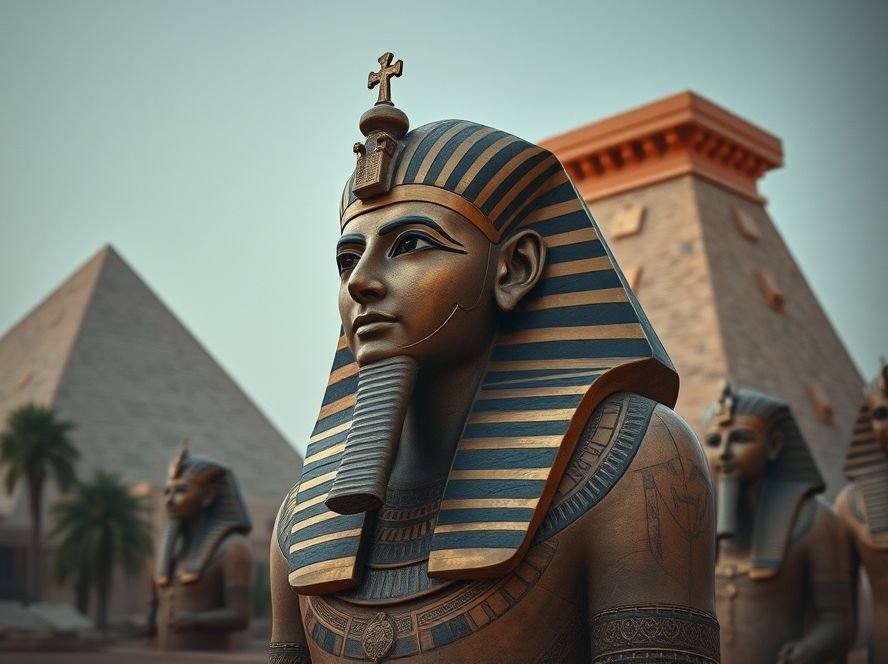
The term Egyptian Gods refers to the deities worshiped in ancient Egypt, a civilization known for its rich mythology, complex religious practices, and monumental architecture. These gods were integral to the daily lives of the ancient Egyptians, influencing everything from agriculture and health to morality and governance. Egyptian mythology is characterized by a pantheon of gods and goddesses, each with distinct roles, stories, and attributes.
The Importance of Egyptian Gods in Ancient Civilization
The significance of Egyptian gods cannot be overstated. They were not just figures of worship; they represented natural forces and human experiences, embodying concepts like creation, death, and rebirth. The ancient Egyptians believed that by honoring these deities, they could ensure harmony in their lives and the cosmos. Temples dedicated to these gods served as centers of worship and community, highlighting the social and political influence these figures held.
Key Egyptian Gods and Their Roles
- Ra: The sun god, considered the king of the gods, associated with creation and order.
- Isis: Goddess of motherhood and magic, revered for her role in healing and protection.
- Osiris: God of the afterlife, symbolizing resurrection and eternal life.
- Horus: The sky god, often depicted as a falcon, representing kingship and protection.
- Anubis: God of mummification and the afterlife, associated with funerary practices.
Mythology and Stories of the Egyptian Gods
The mythology surrounding Egyptian gods is vast and intricate. Each deity has a rich narrative that explains their origin, relationships, and adventures. For instance, the story of Osiris and his resurrection by Isis is central to Egyptian beliefs about the afterlife. This myth reflects the importance of life, death, and rebirth in Egyptian culture. These tales were not only religious texts but also served as moral lessons, teaching values and societal expectations.
Applications of Egyptian God Worship in Modern Context
While the ancient practice of worshiping Egyptian gods has diminished, their influence persists in various aspects of modern culture. Here are some practical applications:
- Art and Literature: Many contemporary artists and writers draw inspiration from Egyptian mythology, using these ancient stories to explore themes of identity, power, and spirituality.
- Psychology: Some psychologists reference the archetypes represented by Egyptian gods to help individuals understand their own behaviors and motivations.
- Cultural Heritage: Museums and historical sites dedicated to Egyptian history continue to educate and fascinate people worldwide, preserving the legacy of these gods.
Concepts Related to Egyptian Gods
Understanding Egyptian gods also involves exploring related concepts such as:
- Pantheon: The collective of gods worshiped in a particular religion, highlighting the diversity and complexity of Egyptian beliefs.
- Mythology: The study of myths and stories that convey cultural beliefs, often reflecting societal values and norms.
- Rituals: The ceremonies and practices performed to honor the gods, crucial for the spiritual life of ancient Egyptians.
Conclusion
In summary, the Egyptian gods represent a fascinating intersection of mythology, culture, and history. Their stories offer insight into the values and beliefs of ancient Egyptians, while their influence endures in modern society through art, literature, and cultural heritage. As we continue to explore these ancient deities, we gain a deeper understanding of the complexities of human nature and the mysteries of existence.
Reflect on the lessons from these ancient gods and consider how they can be applied to our lives today. Whether through artistic inspiration or personal exploration, the legacy of Egyptian gods invites us to engage with our own narratives and the world around us.