
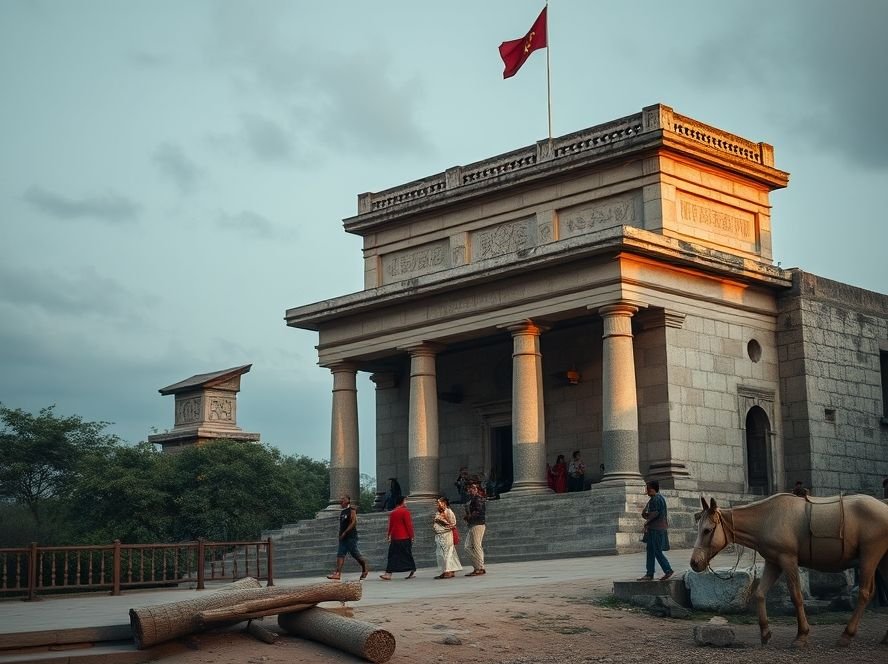
What is Cultural Traditions?
Cultural traditions encompass the practices, rituals, and values that are passed down through generations within a particular society. These traditions shape the identity of a group and provide context for their cultural expressions, such as art, music, food, and festivals. Cultural traditions can be seen as the living history of a community, continuously evolving while retaining core values and practices that connect individuals to their heritage.
The Importance of Cultural Traditions
Understanding cultural traditions helps us appreciate the diversity of human experiences throughout history. They serve as a lens through which we can view the values, beliefs, and practices of different civilizations. In ancient times, cultural traditions played a crucial role in social cohesion and identity formation, helping communities to navigate challenges and celebrate achievements.
Preservation of Identity
Traditions are essential for maintaining the identity of a culture. For instance, the Native American powwow is not just a gathering; it is a celebration of Native American culture, featuring traditional dances, music, and crafts that have been preserved for centuries. These gatherings reinforce a sense of belonging and continuity among community members.
Transmission of Knowledge and Skills
Cultural traditions also serve as a means of transmitting knowledge, skills, and values from one generation to the next. For example, in the context of ancient civilizations, the practice of pottery-making in cultures like the Inca and Mayan societies was not only an artistic expression but also a practical skill essential for daily life. Children learned these skills from their parents, ensuring that the knowledge was preserved and adapted over time.
Examples of Cultural Traditions Across Civilizations
Cultural traditions vary widely across different regions and societies. Here are some notable examples:
- Ancient Egyptian Festivals: The Wepet-Renpet festival marked the New Year, celebrating the annual flooding of the Nile, which was crucial for agriculture.
- Greek Mythology: The ancient Greeks held various festivals such as the Olympic Games in honor of their gods, emphasizing physical prowess and cultural unity.
- Chinese New Year: This festival is rich with traditions, including family reunions, feasting, and various rituals intended to bring luck and prosperity.
- Indian Diwali: Known as the Festival of Lights, Diwali symbolizes the victory of light over darkness and good over evil, marked by the lighting of lamps, fireworks, and family gatherings.
Applications of Cultural Traditions in Modern Society
Cultural traditions remain relevant today, influencing various aspects of modern life. They can be seen in:
Education and Cultural Awareness
Schools and educational institutions often incorporate cultural traditions into their curricula to promote understanding and appreciation of diversity. For example, multicultural education programs teach students about different customs and practices, fostering respect for various cultural backgrounds.
Tourism and Cultural Heritage
Cultural traditions are a significant draw for tourism. Many travelers seek experiences that allow them to connect with local customs, such as participating in traditional ceremonies or local food festivals. This not only enriches the travel experience but also helps preserve these traditions through economic support.
Social Movements
In contemporary society, cultural traditions are often invoked in social movements to reclaim identity and heritage. For instance, indigenous groups may use traditional symbols and practices to assert their rights and preserve their cultures in the face of globalization.
How to Engage with Cultural Traditions
Engaging with cultural traditions can be a fulfilling way to connect with history and communities. Here are some practical ways to do so:
- Participate in Local Festivals: Attend local cultural festivals and events to experience traditions firsthand.
- Learn Traditional Crafts: Take workshops or classes that teach traditional skills such as weaving, pottery, or cooking.
- Research and Share: Explore your own cultural heritage and share it with others, fostering a sense of pride and understanding.
Related Concepts
Understanding cultural traditions can lead to a deeper appreciation of related concepts:
- Cultural Heritage: This term refers to the legacy of physical artifacts and intangible attributes of a group or society inherited from past generations.
- Folklore: The traditional beliefs, myths, legends, and practices of a culture, often passed down orally.
- Rituals: Specific activities or ceremonies that hold cultural significance, often tied to religious or social events.
Conclusion
Cultural traditions are vital for understanding the fabric of human history and society. They provide insights into the values and beliefs that shape communities, acting as a bridge connecting the past with the present. By engaging with these traditions, individuals can enrich their lives and foster a deeper appreciation for the diverse world we live in.
As you reflect on cultural traditions, consider how you can incorporate them into your daily life. Whether through attending festivals, learning about your heritage, or sharing knowledge with others, these actions contribute to the preservation and appreciation of our shared human experience.