
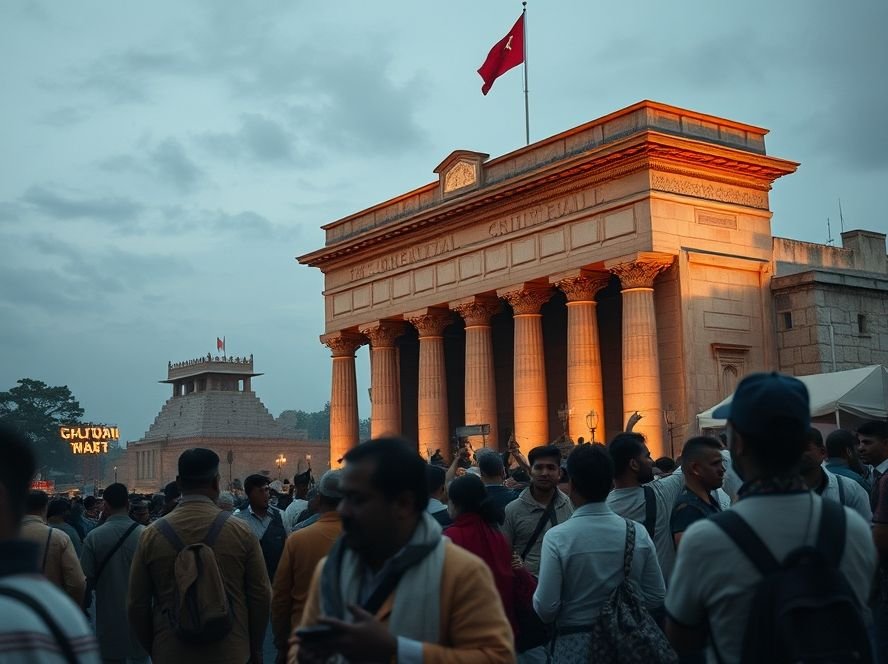
What is Cultural Festivals?
Cultural festivals are organized events that celebrate the unique traditions, art, music, and heritage of a specific community or culture. These festivals play a vital role in preserving cultural identity and fostering community spirit. They offer a platform for individuals to come together, share experiences, and learn about the rich history of their ancestors.
The Importance of Cultural Festivals
Cultural festivals serve as a bridge between generations, ensuring that the customs and traditions of past civilizations are not forgotten. They also promote tourism and economic growth by attracting visitors from around the world. Here are some key reasons why cultural festivals are essential:
- Preservation of Heritage: Festivals often showcase traditional music, dance, and art forms, preserving the cultural heritage for future generations.
- Community Engagement: They encourage community participation, fostering social bonds and enhancing the sense of belonging.
- Education: Many festivals offer workshops and talks that educate attendees about the history and significance of the culture being celebrated.
- Economic Impact: Festivals can boost local economies by attracting tourists, creating jobs, and supporting local businesses.
Types of Cultural Festivals
Cultural festivals come in various forms, each with its unique characteristics and importance. Here are some prominent types of cultural festivals:
- Music Festivals: Events like the Woodstock Festival and Burning Man celebrate music and arts, often featuring performances by artists from diverse backgrounds.
- Food Festivals: Festivals such as the Oktoberfest in Germany and the New Orleans Jazz & Heritage Festival highlight local cuisines and culinary traditions.
- Religious Festivals: Celebrations like Diwali and Hanukkah reflect the spiritual beliefs and practices of various communities.
- Art Festivals: Events like the Venice Biennale showcase visual arts and provide a platform for artists to share their work.
Historical Context of Cultural Festivals
Cultural festivals have roots in ancient civilizations. For example, the ancient Greeks held festivals such as the Olympic Games to honor the god Zeus, showcasing athletic prowess and celebrating unity among city-states. Similarly, the Roman Saturnalia allowed for a temporary reversal of social norms, where slaves and masters would exchange roles.
These historical events laid the groundwork for modern cultural festivals, which continue to reflect society’s values and aspirations. In many ways, they are a testament to the enduring legacy of ancient cultures and their influence on contemporary society.
Real-World Examples of Cultural Festivals
Across the globe, cultural festivals take on unique forms, reflecting local traditions and histories. Here are a few notable examples:
- Rio Carnival (Brazil): Known for its vibrant parades and samba dancing, the Rio Carnival is one of the largest cultural festivals in the world, attracting millions of visitors each year.
- Chinese New Year: Celebrated worldwide, this festival marks the beginning of the lunar new year with fireworks, dragon dances, and family gatherings.
- Diwali (India): The Festival of Lights symbolizes the victory of light over darkness and good over evil, celebrated with lamps, sweets, and fireworks.
- La Tomatina (Spain): This unique festival involves a massive tomato fight, symbolizing community spirit and enjoyment.
How to Experience Cultural Festivals
If you’re interested in experiencing cultural festivals, here are some practical tips:
- Research: Look for upcoming festivals in your region or plan a trip to a destination known for its cultural celebrations.
- Participate: Engage in the festivities by attending workshops, trying local foods, and interacting with performers and artisans.
- Volunteer: Many festivals rely on volunteers. This is a great way to meet new people and immerse yourself in the experience.
- Document Your Experience: Take photos and notes to capture the essence of the festival, which can help you remember and share your experience with others.
Related Concepts
Cultural festivals are interconnected with various concepts that enhance their significance:
- Tradition: The customs and practices passed down through generations that form the backbone of cultural festivals.
- Community Identity: The sense of belonging and shared values that cultural festivals help to reinforce.
- Art and Expression: Festivals often serve as a platform for artists to express their cultural narratives through various forms of art.
Conclusion
Cultural festivals are more than just celebrations; they are vital expressions of community, history, and identity. By participating in these events, individuals not only honor their heritage but also contribute to the ongoing story of humanity. Whether you are a history enthusiast or simply curious about different cultures, embracing the spirit of cultural festivals can lead to enriching experiences and deeper understanding.
So, take the opportunity to explore a cultural festival near you and immerse yourself in the vibrant tapestry of human history and tradition.