What is Celtic Culture?
Celtic culture refers to the traditions, languages, and customs of the Celtic peoples, who are primarily found in regions like Ireland, Scotland, Wales, Cornwall, and Brittany. This rich cultural heritage is characterized by its intricate art, music, mythology, and social structures that have evolved over thousands of years, influencing various aspects of modern society.
Historical Context of Celtic Culture
Understanding Celtic culture requires delving into its historical roots. The Celts were a group of tribal societies in Iron Age and Medieval Europe who shared similar languages, religious beliefs, and cultural traits. They flourished between 500 BC and 400 AD, before the Roman conquest disrupted their way of life. Despite this, many aspects of their culture have survived and adapted over time.
Origins and Migration
The origins of the Celts can be traced back to Central Europe. They spread across the continent, reaching as far as the British Isles and parts of the Iberian Peninsula. Their migration led to a blending of cultures, as they interacted with local populations, contributing to the rich tapestry of European history.
Key Aspects of Celtic Culture
- Language: The Celtic languages, including Gaelic, Welsh, and Breton, are an essential part of the culture. They reflect the history and identity of Celtic peoples.
- Art and Craftsmanship: Celtic art is known for its intricate knotwork and symbolism, often depicted in metalwork, stone carvings, and illuminated manuscripts.
- Music and Dance: Traditional Celtic music, featuring instruments like the fiddle, bagpipes, and harp, plays a vital role in cultural expression and community gatherings.
- Religion and Mythology: The Celts had a rich spiritual life, filled with mythology, reverence for nature, and a pantheon of deities that influenced their festivals and rituals.
Modern Influence and Revival
Today, there is a renewed interest in Celtic culture, leading to a revival of traditional arts, music, and festivals. Events like the Celtic Connections festival in Glasgow celebrate this heritage, attracting people from all over the world.
Applications of Celtic Culture in Daily Life
Incorporating elements of Celtic culture into daily life can enrich personal experiences and foster a deeper connection with heritage. Here are some practical applications:
- Learning the Language: Engaging with Celtic languages through online courses or local classes helps keep the culture alive.
- Exploring Celtic Cuisine: Cooking traditional dishes, such as Irish stew or Welsh cakes, can provide a taste of Celtic heritage.
- Participating in Festivals: Attending local Celtic festivals or events can deepen your appreciation of the culture and connect you with like-minded individuals.
- Crafting and Art: Trying your hand at traditional Celtic crafts, such as weaving or pottery, can be a fulfilling creative outlet.
Related Concepts in Celtic Culture
Exploring Celtic culture opens the door to various related concepts:
- Folklore: The stories and legends of the Celts provide insight into their values and beliefs.
- Traditional Clothing: Costumes such as kilts and cloaks reflect the identity and history of Celtic peoples.
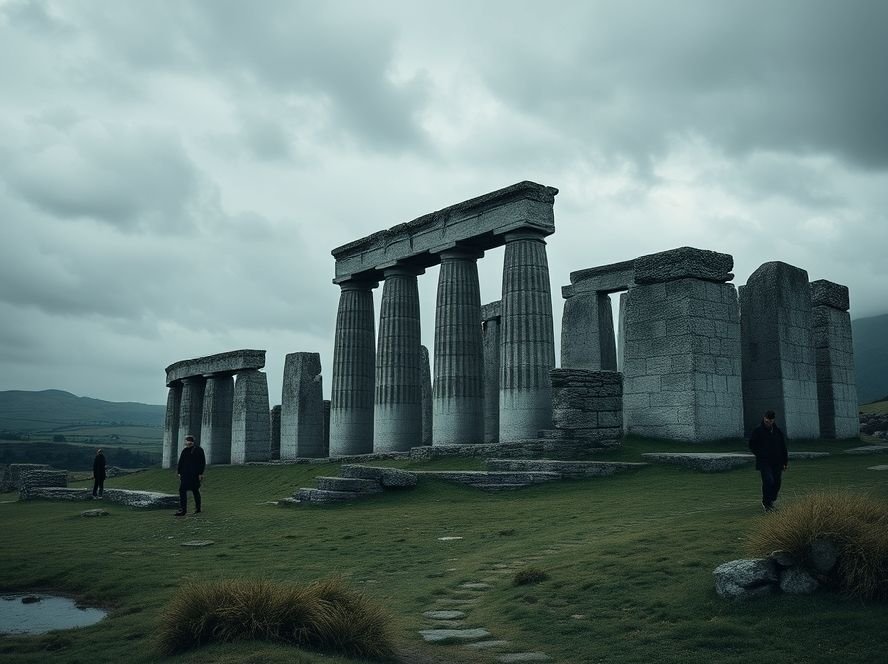
- Architecture: Ancient structures like Stonehenge and hill forts are key to understanding Celtic engineering and community organization.
Conclusion: Embracing Celtic Culture
Celtic culture is a vibrant tapestry of history, art, and community that continues to inspire and engage people today. By understanding and embracing its various aspects, individuals can connect with a rich cultural heritage that spans centuries. Whether through language, music, or community involvement, there are countless ways to appreciate and participate in this enduring legacy.
Reflection: How can you incorporate elements of Celtic culture into your life to foster a deeper connection with history and community?