
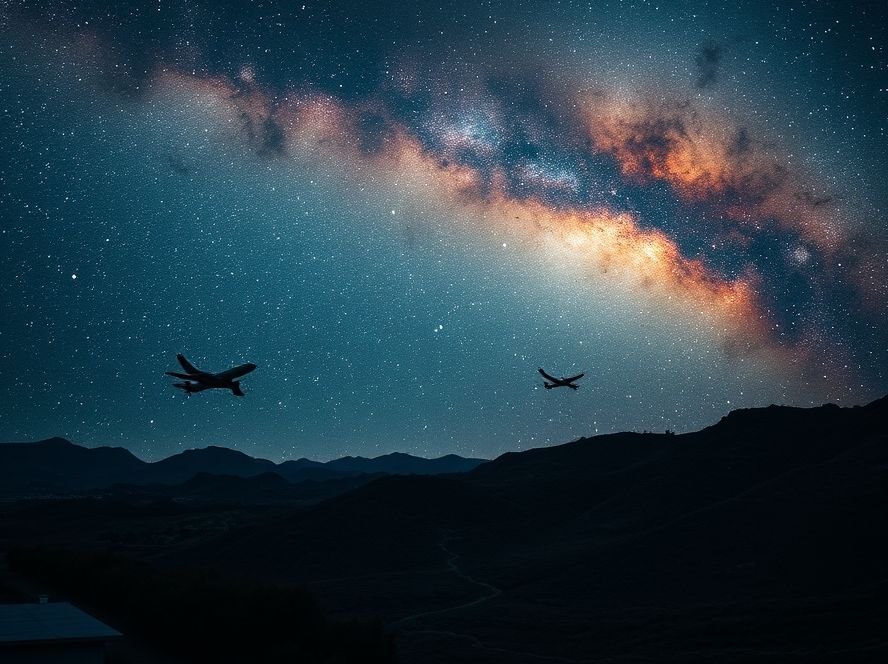
What is Celestial Events?
Celestial events refer to significant occurrences in the sky that involve celestial bodies such as stars, planets, moons, and comets. These events can range from eclipses and meteor showers to planetary alignments and supernovae. Understanding these phenomena not only enriches our knowledge of the universe but also enhances our appreciation of the natural world around us. In this comprehensive guide, we will explore the various types of celestial events, their significance, and how you can enjoy them in your daily life.
The Importance of Celestial Events
Celestial events have fascinated humanity for centuries. They have been used for navigation, inspired cultural myths, and have provided invaluable data for scientific research. Observing these events can lead to a deeper understanding of astronomical cycles and the dynamics of our universe. For instance, eclipses demonstrate the alignment of celestial bodies, while meteor showers provide insight into the remnants of comets and asteroids.
Types of Celestial Events
- Eclipses: Solar and lunar eclipses occur when the Earth, moon, and sun align in specific ways. A solar eclipse happens when the moon passes between the Earth and the sun, while a lunar eclipse occurs when the Earth is between the sun and the moon.
- Meteor Showers: These events occur when Earth passes through the debris left by comets. Famous meteor showers include the Perseids and Geminids, which can produce dozens of meteors per hour at their peak.
- Planetary Alignments: These are occasions when planets line up in the sky, creating a spectacular view. Such events can occur several times a year, providing stunning photographic opportunities.
- Comet Appearances: Comets are icy bodies that release gas and dust, forming a glowing coma and tail as they approach the sun. Events like Halley’s Comet appear roughly every 75 years, making their sightings rare and special.
How Celestial Events Influence Daily Life
Beyond their aesthetic appeal, celestial events have practical implications. For example, farmers have historically relied on the lunar cycle to plan planting and harvesting, while navigators used the stars to guide their journeys. In modern times, celestial events are also utilized in scientific research, aiding in our understanding of gravitational forces, cosmic radiation, and planetary movements.
Examples of Notable Celestial Events
- The Great American Eclipse (2017): This solar eclipse was visible across the United States, drawing millions of viewers.
- Perseid Meteor Shower: Occurring annually in August, this meteor shower is renowned for its bright meteors, making it a favorite among stargazers.
- Venus Transit (2012): This rare event saw Venus passing directly between the Earth and the sun, occurring only 13 times in the 21st century.
How to Observe Celestial Events
Observing celestial events can be both exhilarating and educational. Here are some practical tips to help you make the most out of your stargazing experience:
- Plan Ahead: Use astronomy apps or websites to track upcoming celestial events. Knowing the time and date of an event can help you prepare your observation equipment.
- Find a Dark Spot: Light pollution can hinder your ability to see celestial events clearly. Seek out locations away from city lights for the best views.
- Bring the Right Equipment: While many events can be observed with the naked eye, binoculars and telescopes can enhance your experience. A good quality pair of binoculars can reveal details of the moon’s surface and other celestial bodies.
- Join a Community: Connecting with local astronomy clubs can enhance your experience. Many clubs host star parties where members gather to observe and discuss celestial events.
Applications of Celestial Events in Everyday Life
Celestial events extend beyond scientific interest; they can be woven into our daily lives. Here are some practical applications:
- Planning Events: Consider hosting outdoor parties or gatherings during significant celestial events like meteor showers or eclipses, providing a memorable experience for your guests.
- Educational Opportunities: Use celestial events as a teaching moment for children. Explain the science behind eclipses or meteor showers to spark their interest in astronomy.
- Photography: Celestial events provide unique opportunities for photography. Whether capturing the moon or a meteor shower, these moments can lead to stunning visuals.
Related Concepts in Astronomy
Understanding celestial events can be enriched by exploring related astronomical concepts:
- Astrophysics: The study of the physical properties and behaviors of celestial bodies.
- Cosmology: The science of the origin and development of the universe.
- Planetary Science: The study of planets, moons, and planetary systems, including the processes that form them.
Conclusion
Celestial events offer a window into the wonders of the universe, allowing us to connect with the cosmos in profound ways. By understanding these phenomena, we can appreciate their beauty and significance in our lives. Whether you’re a casual observer or a dedicated astronomer, the next time you witness a celestial event, remember the stories and science behind it. Don’t just observe; engage with the universe and let it inspire your curiosity.
Call to Action: As you plan to observe celestial events, take a moment to reflect on how these occurrences fit into the larger tapestry of the universe. Embrace your curiosity and explore the cosmos!