
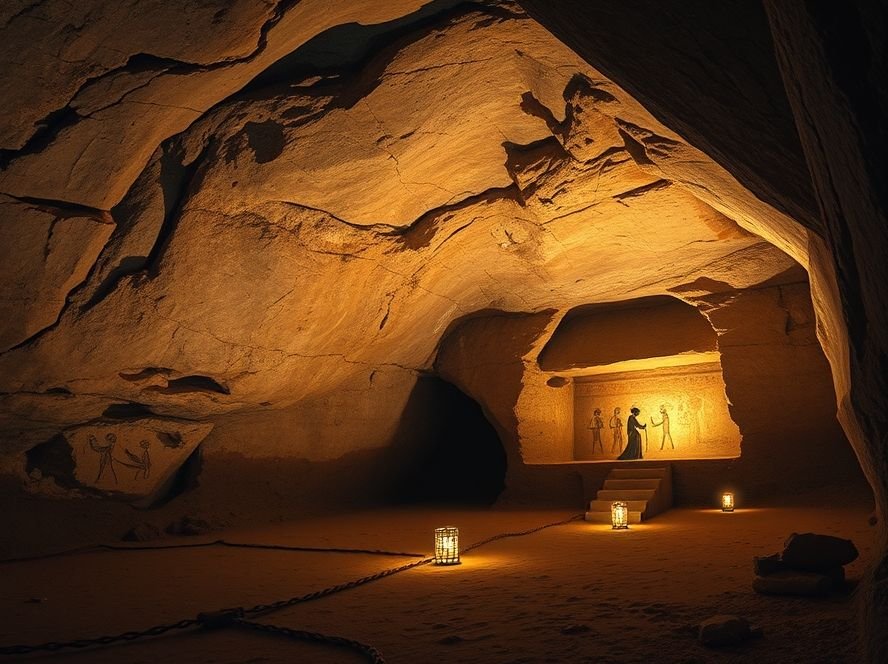
What is Cave Paintings?
Cave paintings, also known as rock art, are some of the earliest forms of artistic expression created by prehistoric humans. These paintings are typically found on the walls and ceilings of caves and are believed to date back tens of thousands of years. They depict a variety of subjects, including animals, human figures, and geometric shapes, showcasing the creativity and cultural practices of ancient civilizations.
The Importance of Cave Paintings in Understanding Ancient Civilizations
Cave paintings provide invaluable insights into the lives and beliefs of prehistoric people. They serve as historical records that help researchers understand the social structures, hunting practices, and environments of ancient communities. By studying these artworks, historians can piece together the complexities of human evolution and cultural development.
Techniques Used in Creating Cave Paintings
The creation of cave paintings involved various techniques and materials. Here are some key methods:
- Natural Pigments: Early humans used natural minerals, such as ochre and charcoal, to create pigments. These materials were mixed with binders like animal fat or water to produce paint.
- Blowing: Some artists blew pigment onto the walls through hollow bones or tubes, creating a misty effect.
- Stenciling: Hand stencils, where a hand was placed against the rock and pigment was blown around it, created a negative image of the hand.
Examples of Famous Cave Paintings
Several notable sites around the world feature remarkable cave paintings:
- Lascaux Cave (France): Known for its stunning depictions of large animals, the Lascaux paintings date back to around 17,000 years ago.
- Altamira Cave (Spain): Famous for its detailed bison paintings, Altamira is a UNESCO World Heritage site that showcases the artistic skills of prehistoric peoples.
- Chauvet Cave (France): Discovered in the 1990s, this cave contains some of the oldest known cave paintings, estimated to be around 30,000 years old.
Applications of Cave Paintings in Modern Society
Understanding cave paintings extends beyond historical interest; they have practical applications in various fields:
- Education: Cave paintings are used in educational settings to teach about human history, art, and culture.
- Tourism: Sites with cave paintings attract millions of visitors each year, contributing to local economies and raising awareness of prehistoric art.
- Conservation: The study of cave paintings informs conservation efforts to protect these invaluable cultural heritage sites from damage and degradation.
Related Concepts
Understanding cave paintings also involves exploring related concepts:
- Petroglyphs: Unlike cave paintings, petroglyphs are engravings or carvings made on rock surfaces, providing another form of ancient expression.
- Neolithic Art: This term encompasses artistic expressions from the Neolithic period, including pottery, sculptures, and other forms of visual art.
- Anthropology: The study of human societies and cultures, anthropology often incorporates findings from cave paintings to draw conclusions about social behaviors in ancient times.
Conclusion: The Lasting Impact of Cave Paintings
Cave paintings are more than just ancient art; they are a window into the lives of our ancestors. By studying these fascinating artifacts, we gain a deeper understanding of human history, creativity, and cultural evolution. Whether you are a history buff, an art enthusiast, or simply curious about the past, cave paintings offer a compelling glimpse into humanity’s journey.
Reflect on how the creativity of our ancestors resonates in today’s world. How can the lessons from these ancient artworks inspire your understanding of art and culture? Explore more about cave paintings and their significance in the broader narrative of human history.