What is Ancient Sports?
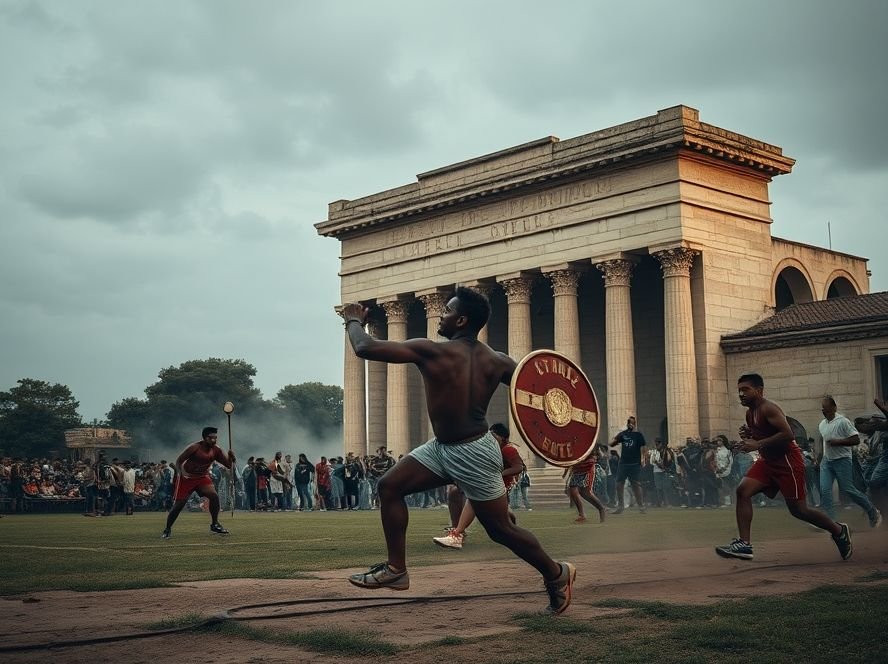
Ancient sports refer to the athletic competitions practiced in ancient civilizations, characterized by their cultural significance, ritualistic elements, and the physical prowess they demanded from participants. These sports played a crucial role in society, often reflecting the values, beliefs, and traditions of the cultures that practiced them.
The Importance of Ancient Sports
Understanding ancient sports is vital for comprehending the development of modern athletics and the societal structures of ancient civilizations. Sports were not merely entertainment; they were intertwined with religion, politics, and community identity. For example, in ancient Greece, the Olympic Games were dedicated to the gods and served as a unifying event for the Greek city-states.
Major Ancient Sports and Their Cultural Contexts
Several key sports from ancient civilizations stand out, each with unique characteristics and cultural implications. Here are a few:
- Ancient Greek Olympics: Initiated in 776 BC, the Olympics included events such as running, wrestling, and chariot racing, celebrating physical excellence and honoring Zeus.
- Chariot Racing in Rome: This was a popular and dangerous sport, held in large arenas like the Circus Maximus, attracting immense crowds and betting.
- Mesoamerican Ballgame: Played by various cultures, including the Maya and Aztecs, this sport had deep religious significance and was often associated with themes of life, death, and fertility.
- Sumo Wrestling in Japan: Originating over a thousand years ago, sumo combines athletic competition with ceremonial rituals, reflecting Japanese culture’s emphasis on tradition and respect.
How Ancient Sports Influenced Modern Athletics
Ancient sports have significantly influenced today’s athletic practices and competitions. Many modern sports trace their origins back to these ancient games. For example:
- Track and Field: Many events in track and field, such as running and jumping, can be traced back to the ancient Olympics.
- Team Sports: The concept of team-based competitions, as seen in chariot racing or ball games, has evolved into contemporary sports like football and basketball.
- Martial Arts: Ancient combat sports have influenced various modern martial arts, including judo and taekwondo, emphasizing discipline and technique.
Applications of Knowledge about Ancient Sports in Daily Life
Understanding ancient sports can enhance our appreciation of physical fitness and community bonding. Here are ways to incorporate this knowledge into everyday life:
- Fitness Regimens: Inspired by ancient athletic training, individuals can create fitness programs that emphasize balance, strength, and endurance.
- Community Events: Organize local sports events that mimic ancient traditions, fostering community spirit and encouraging physical activity.
- Cultural Education: Explore ancient sports in educational settings, enhancing students’ understanding of history and cultural diversity.
Related Concepts in Ancient Sports
Ancient sports are connected to various other concepts, enriching our understanding of their role in history:
- Mythology: Many ancient sports were linked to myths and legends, such as the tales of Hercules in Greek mythology, which often celebrated athletic feats.
- Rituals: Sports often had ritualistic elements, serving as offerings to deities, as seen in the Greek sacrifices before competitions.
- Social Structure: Participation in sports often reflected social hierarchies, with certain classes having more access to training and competition.
Reflection and Application
As we reflect on the significance of ancient sports, we can draw lessons on perseverance, community, and the celebration of human potential. Engaging with these historical practices can inspire us to value physical activity, promote cultural understanding, and foster connections within our communities.
By embracing the legacy of ancient sports, we not only honor the past but also enrich our lives today.