What is Ancient Religion?
Ancient religion refers to the various belief systems, rituals, and spiritual practices that were prevalent in ancient civilizations. These religions were deeply intertwined with the cultural, social, and political fabrics of their respective societies, often dictating daily life and governance. This article will explore the fundamental aspects of ancient religions, their significance, and their enduring legacies in today’s world.
The Importance of Understanding Ancient Religions
Understanding ancient religions is crucial for several reasons. Firstly, they provide insight into the beliefs and values of ancient civilizations, helping us comprehend how these societies functioned and interacted with one another. Secondly, many contemporary religions and philosophies have roots in ancient beliefs, making it essential to recognize these connections to grasp the evolution of spiritual thought. Lastly, ancient religions often explain historical phenomena and cultural developments that shaped the world.
Key Features of Ancient Religions
- Polytheism: Most ancient religions were polytheistic, worshipping multiple gods and goddesses, each responsible for different aspects of life and nature.
- Ritual Practices: Rituals were central to ancient religions, often including sacrifices, festivals, and ceremonies aimed at appeasing the gods.
- Mythologies: Each ancient religion had its own set of myths that explained the origins of the world, gods, and humanity.
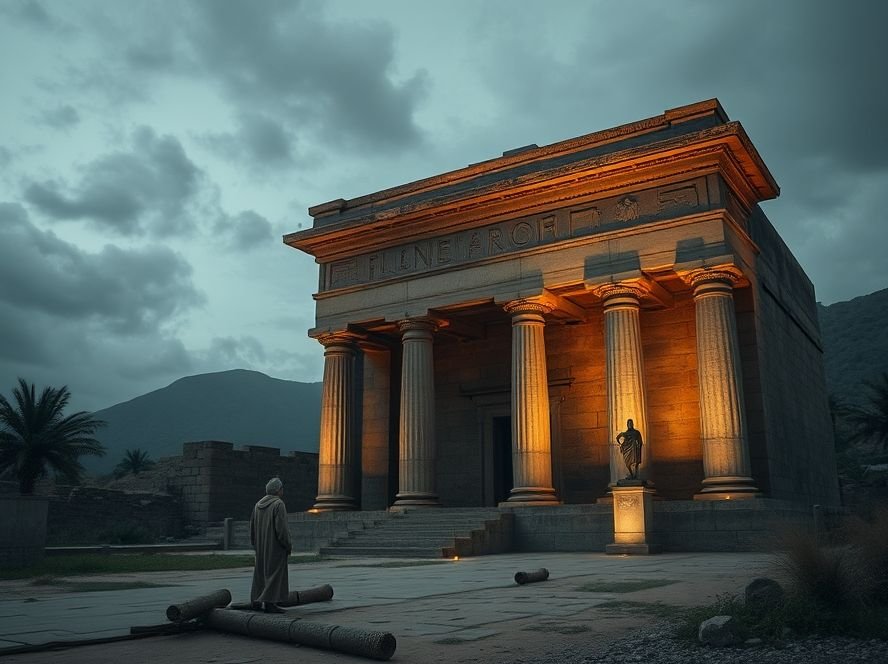
- Temples and Sacred Spaces: Many ancient religions constructed grand temples and sacred sites where worship and rituals took place.
Examples of Ancient Religions
To illustrate the diversity of ancient religions, we can examine a few notable examples:
- Ancient Egyptian Religion: Focused on a pantheon of gods like Ra and Osiris, emphasizing the afterlife and the importance of burial customs.
- Mesopotamian Religion: Included deities such as Marduk and Ishtar, with a rich mythology that influenced later religious thought.
- Hinduism: With roots in ancient Indian civilization, it features a complex system of beliefs and practices, including the worship of multiple deities.
- Ancient Greek Religion: Centered on deities like Zeus and Athena, it played a significant role in the culture, art, and politics of ancient Greece.
Rituals and Practices in Ancient Religions
Rituals and practices were vital in ancient religions, serving as a means to connect with the divine. These rituals often included:
- Sacrifices: Offering animals or goods to the gods to gain favor or seek guidance.
- Festivals: Celebratory events marking significant seasonal changes or religious milestones, fostering community and devotion.
- Divination: Seeking knowledge of the future or the will of the gods through various methods, such as reading omens or consulting oracles.
Real-World Examples of Ancient Rituals
Consider the following examples of ancient rituals that have been documented:
- The Ritual of the Egyptian Afterlife: Egyptians believed in a complex afterlife, leading to elaborate burial practices and tomb constructions.
- Greek Olympic Games: Originally held as a religious festival in honor of Zeus, these games emphasize the cultural significance of competition and reverence.
- Hindu Pujas: Daily worship rituals that involve offerings to deities, reflecting the ongoing relationship between practitioners and the divine.
Legacy and Influence of Ancient Religions
The influence of ancient religions can be seen in various aspects of modern life, including:
- Literature and Art: Many ancient myths and religious themes continue to inspire writers and artists today.
- Philosophy and Ethics: Ancient beliefs have shaped moral frameworks and philosophical discussions throughout history.
- Modern Religious Practices: Elements of ancient religions have been absorbed into contemporary faiths, influencing rituals and beliefs.
Connecting Ancient Religions to Modern Society
To see how ancient religions connect to modernity, consider:
- The Use of Mythology: Ancient myths are often reinterpreted in modern storytelling, appearing in movies, literature, and art.
- Spiritual Practices: Many people today still engage in rituals that have origins in ancient spiritual practices, such as meditation and prayer.
- Festivals: Modern festivals often have roots in ancient celebrations, showcasing the continuity of cultural practices.
Practical Applications of Ancient Religion Knowledge
Understanding ancient religions can enhance your appreciation for history and culture. Here are practical applications:
- Cultural Literacy: Familiarity with ancient religions enriches your understanding of literature, art, and cultural references.
- Travel Planning: Knowledge of ancient religions can enhance your travel experiences, allowing you to appreciate historical sites more deeply.
- Interpersonal Connections: Understanding diverse spiritual backgrounds fosters better communication and relationships with people from different cultures.
Related Concepts in Ancient Religions
Several concepts are closely related to ancient religions, including:
- Mythology: The collection of myths that underpin religious beliefs and practices.
- Rituals: The actions performed in worship, emphasizing the connection between the divine and human experiences.
- Spirituality: Broader concepts of personal belief systems that may or may not align with organized ancient religions.
Conclusion
In conclusion, ancient religions are a fascinating and essential area of study that offers deep insights into human history and culture. They continue to shape our world today in various ways, from influencing modern religions to inspiring art and philosophy. By exploring ancient religions, we can better understand the complexities of human belief systems and the rich tapestry of our shared past.
Reflect on how ancient religious practices and beliefs might influence your own life or cultural understanding. Whether through travel, literature, or personal exploration of spirituality, the connections to these ancient traditions can enrich your journey.