
What is Ancient Egypt?
Ancient Egypt refers to one of the world’s oldest and most fascinating civilizations, flourishing along the banks of the Nile River in northeastern Africa. This civilization is renowned for its incredible achievements in architecture, art, and governance, and it has captivated historians and enthusiasts alike for centuries. The term encompasses a vast period of time, spanning thousands of years, during which Egypt developed a unique culture characterized by its distinctive social structures, religious beliefs, and monumental architecture.
The Significance of Ancient Egypt
Understanding Ancient Egypt is crucial for several reasons:
- Cultural Influence: Ancient Egypt’s contributions to art, literature, and governance have had a lasting impact on subsequent civilizations.
- Historical Insight: Studying this civilization provides valuable insights into the development of human societies, particularly in terms of urbanization and state formation.
- Mysteries and Exploration: The mysteries surrounding Ancient Egyptian practices, such as mummification and pyramid construction, continue to intrigue researchers and the general public.
Key Aspects of Ancient Egyptian Civilization
1. Geography and Environment
The geography of Ancient Egypt played a pivotal role in shaping its civilization. The Nile River was essential for agriculture, providing fertile land for crops. The predictable flooding of the Nile ensured a stable food supply, which allowed the population to grow and complex societies to develop.
2. Religion and Beliefs
Religion was central to Ancient Egyptian life. The Egyptians practiced polytheism, worshipping a multitude of gods and goddesses, each representing different aspects of life and nature. Major deities included:
- Osiris: God of the afterlife and resurrection.
- Isis: Goddess of motherhood and fertility.
- Ra: The sun god, symbolizing creation and order.
Religious beliefs influenced art, architecture, and daily life, culminating in grand temples and tombs designed to honor the gods and ensure a favorable afterlife.
3. Art and Architecture
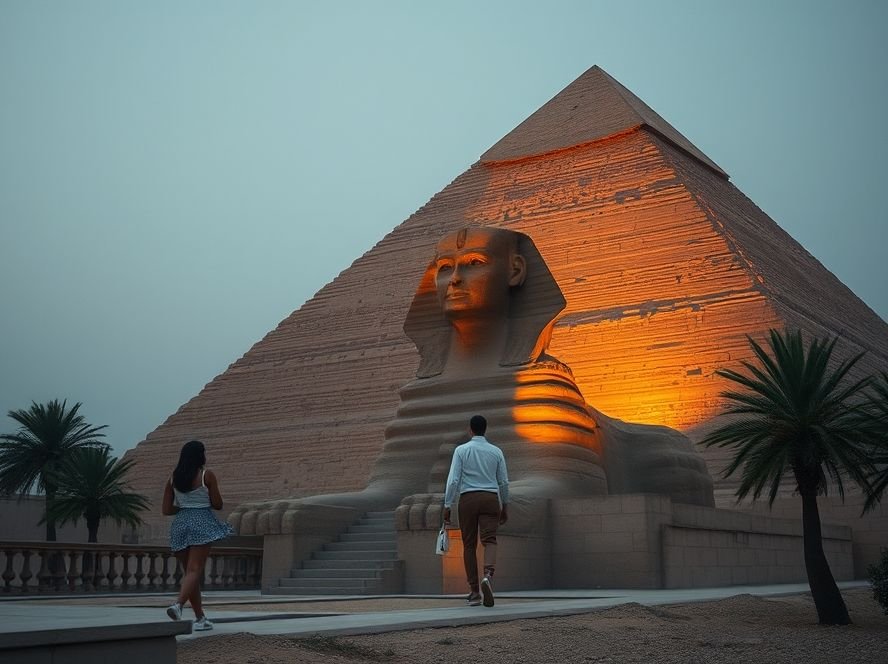
Ancient Egyptians are well-known for their remarkable achievements in art and architecture. The construction of the pyramids, particularly the Great Pyramid of Giza, showcases their advanced engineering skills. These monumental structures served as tombs for pharaohs, demonstrating their belief in the afterlife.
4. Social Structure
The social hierarchy in Ancient Egypt was highly stratified. At the top was the pharaoh, considered a divine ruler. Below the pharaoh were:
- Nobles and Priests: Responsible for religious duties and governance.
- Merchants and Artisans: Engaged in trade and craftsmanship.
- Farmers and Laborers: The backbone of the economy, working the land and constructing monuments.
This structure led to a complex society where each class played a vital role in maintaining the civilization.
Applications of Ancient Egyptian Knowledge
The study of Ancient Egypt is not just for academic interest; it has practical applications in various fields:
- Archaeology: Understanding ancient techniques can enhance modern archaeological practices, improving the preservation and interpretation of historical sites.
- Cultural Heritage: Knowledge of Ancient Egypt informs contemporary discussions about cultural identity and the preservation of history.
- Art and Design: The aesthetics of Ancient Egyptian art continue to inspire modern artists and designers, emphasizing symmetry, color, and symbolism.
Related Concepts
Exploring Ancient Egypt opens doors to various related topics:
- Mesopotamia: Another ancient civilization that flourished in a similar time frame, providing comparative insights.
- Greek and Roman Civilizations: Understanding how these later cultures were influenced by Ancient Egypt.
- Archaeological Methods: Techniques developed through the study of Ancient Egypt can be applied to other archaeological sites.
Conclusion: The Enduring Legacy of Ancient Egypt
Ancient Egypt remains a crucial area of study for those interested in history, culture, and human achievement. The civilization’s contributions to art, governance, and architecture continue to resonate today. Whether you are an academic, a student, or simply a history enthusiast, exploring Ancient Egypt offers a gateway into understanding our past and its influence on the present.
As you delve deeper into the mysteries of this ancient civilization, consider visiting museums, reading scholarly articles, or even traveling to Egypt to see historical sites firsthand. Each exploration can enhance your appreciation for this remarkable civilization and its profound impact on the world.