
Your mood can shift from negative to positive in less than a minute. Science proves that specific brain tricks for happiness can override your brain’s default settings and trigger feel-good chemicals on demand. These methods work faster than drinking coffee or scrolling through Instagram.
When dopamine levels drop, everything feels harder. Tasks pile up. Energy disappears. Dark thoughts multiply. This happens to millions of Americans, especially during winter months when seasonal affective disorder peaks. The good news? You can reset your brain’s chemistry without medication or expensive therapy sessions.
These neuroplasticity exercises tap into your brain’s natural ability to rewire itself. Scientists at Stanford University and MIT have documented how simple physical actions can flood your system with dopamine and serotonin. The techniques work because they bypass conscious thought and activate primitive brain circuits that control emotion.
Forget generic affirmations that feel fake. These positive psychology techniques create real biological changes you can feel immediately. Your brain responds to specific triggers that shut down stress hormones and activate reward pathways. The best part? Each method takes less than 60 seconds to complete.
Three powerful techniques stand out from neuroscience research. Each one targets a different brain system to produce rapid mood improvement. You can use them anywhere – at work, in traffic, or during stressful conversations. No special equipment needed. Just your body and a few seconds of focused action.
The Science Behind Instant Mood Changes and Neuroplasticity Exercises
Your brain operates like a sophisticated chemical laboratory, constantly producing neurotransmitters that shape how you feel each moment. Scientists have discovered that simple actions can trigger immediate changes in brain chemistry, creating rapid shifts in emotional states. These changes aren’t just temporary fixes—they actually reshape your brain’s structure over time through a process called neuroplasticity.
How Your Brain Chemistry Controls Your Emotions
Every emotion you experience stems from a complex dance of chemicals in your brain. When you engage in serotonin boosting activities like deep breathing or gentle stretching, your brain responds within seconds. Neurons communicate through electrical signals and chemical messengers, creating patterns that determine whether you feel anxious, happy, or calm. Research shows that mental activity directly shapes neural structure, meaning your thoughts literally sculpt your brain.
The Role of Dopamine and Serotonin in Rapid Mood Shifts
Dopamine acts as your brain’s reward signal, flooding your system when you accomplish something or anticipate pleasure. Serotonin regulates mood stability and feelings of wellbeing. Simple mindfulness practices can activate both systems simultaneously. For instance, focusing on a pleasant memory for just 10-20 seconds allows these positive experiences to sink into your neural circuits, creating lasting changes in brain structure.
Why Neural Pathways to Happiness Can Be Activated Instantly
Your brain contains approximately 86 billion neurons forming trillions of connections. These pathways strengthen with use—neurons that fire together wire together. Through cognitive reframing and targeted exercises, you can activate positive neural highways in seconds. Each time you consciously shift your attention to something pleasant, you’re training your brain to default to happiness patterns more easily in the future.
Understanding Your Brain’s Negativity Bias and How to Override It
Your brain has a built-in alarm system that makes you focus on negative experiences more than positive ones. This negativity bias served our ancestors well when spotting dangers meant survival. Today, this same mechanism can trap us in cycles of worry and stress, making mental habits for joy feel impossible to maintain.
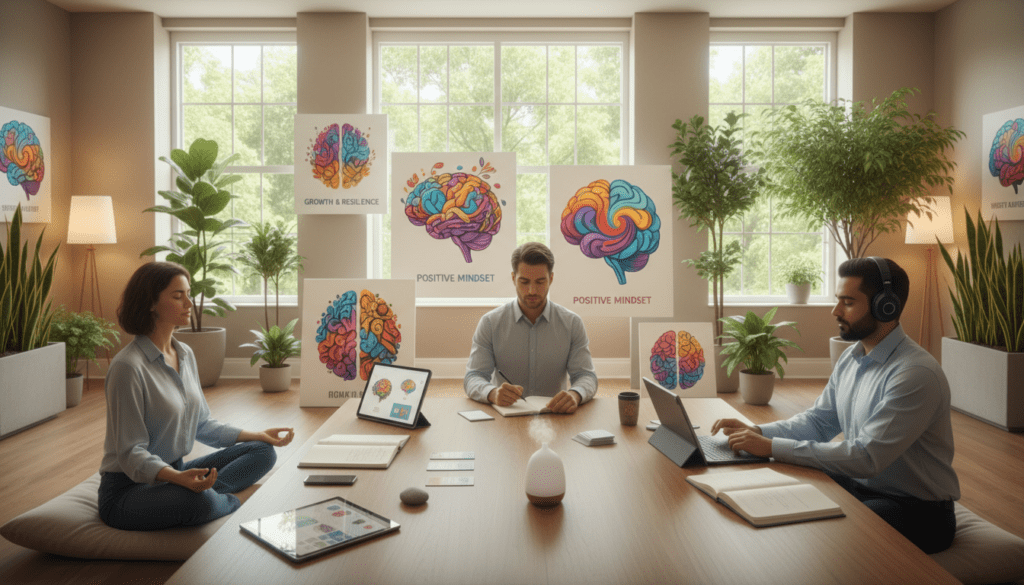
The good news is that you can override this ancient programming with a simple 12-second technique. When negative thoughts creep in, immediately recall a positive memory, image, or relationship. Hold that thought for just 12 seconds. This brief focus allows your brain to classify and store the experience as positive, gradually shifting your default mental state.
Research by neuropsychologist Dr. Rick Hanson shows this method works by taking advantage of how your brain processes memories. Your mind categorizes experiences based on the emotions you felt during them. By deliberately savoring positive moments—whether it’s your child’s laughter, a beautiful sunset, or a personal achievement—you’re actively engaging in brain training for wellbeing.
This technique has proven powerful enough to help individuals with PTSD reshape their thought patterns. The key lies in consistency. Each time you practice this 12-second positive focus, you strengthen neural pathways that support psychological happiness strategies. Your brain literally rewires itself, making positivity your new default setting rather than an occasional visitor.
The Power Pose and Facial Feedback Technique for Immediate Joy
Your body speaks directly to your brain every second of the day. Simple changes in how you hold yourself can activate neural pathways to happiness faster than you might think. Scientists have discovered that physical posture and facial expressions create a two-way street with your emotions, triggering instant chemical changes in your brain.
How Body Posture Triggers Confidence Neurotransmitters
Standing tall with shoulders back and chest open sends powerful signals through your nervous system. Research from Harvard Business School shows that holding a “power pose” for just two minutes increases testosterone levels by 20% and drops cortisol by 25%. This biological shift happens because your spine alignment directly affects neurotransmitter production.
The Science of Forced Smiling and Cortisol Reduction
Even a fake smile tricks your brain into feeling better. The facial feedback hypothesis explains why moving your facial muscles into a smile position reduces stress hormones within seconds. This psychological mechanism works through cognitive reframing for positivity at the muscular level.
Implementing the Posture Reset in Daily Life
Making these techniques part of your routine requires minimal effort. Try these simple resets:
- Set phone reminders to check your posture every hour
- Practice power poses before important conversations
- Smile while brushing your teeth each morning
- Combine posture correction with gratitude practices for doubled benefits
These small adjustments create lasting changes in how your brain processes emotions throughout the day.
Brain Tricks for Happiness Through Sensory Grounding
Your brain has a built-in reset button that takes just seconds to activate. When anxiety strikes or negative thoughts spiral out of control, sensory grounding acts as one of the most effective neurological happiness hacks available. These techniques work by shifting your brain’s attention from emotional processing centers to sensory awareness regions, creating an instant interruption in stress patterns.
The 5-4-3-2-1 Technique for Anxiety Interruption
This powerful exercise engages all five senses to pull you back into the present moment. Start by naming:
- 5 things you can see around you
- 4 things you can physically touch
- 3 sounds you can hear
- 2 scents you can smell
- 1 thing you can taste
This sequence interrupts the anxiety loop in your amygdala and redirects neural activity to your prefrontal cortex. Studies show that sensory perception exercises can reduce cortisol levels within 60 seconds.

Using Sensory Focus to Activate Present-Moment Awareness
Sensory focus serves as one of the quickest positive thinking exercises for breaking negative thought patterns. Touch something with an interesting texture. Listen to ambient sounds without judgment. This simple shift activates parasympathetic nervous system responses that calm your entire body.
How Grounding Exercises Reset Your Nervous System
Grounding techniques trigger your vagus nerve, which signals safety to your brain. This physiological response reduces heart rate and blood pressure while increasing feel-good neurotransmitters. Regular practice of these happiness neuroscience tips strengthens neural pathways that make calm states easier to access during future stress.
Harnessing Micro-Wins and Gratitude Practices for Dopamine Release
Your brain craves success, no matter how tiny. Each small victory you celebrate releases dopamine, the same chemical that makes you feel good after eating chocolate or getting a social media like. By rewiring your brain for joy through micro-win recognition, you create an instant mood boost that takes just seconds.
Think about something you accomplished today. Maybe you made your bed, sent that email, or chose water over soda. These tiny triumphs matter more than you realize. When you pause to acknowledge them, your brain’s reward center lights up immediately. This simple practice becomes one of the most effective mental exercises for wellbeing you can do anywhere.
Gratitude works the same way. When you recall three things you’re thankful for, your brain releases feel-good chemicals within 12 seconds. Try this right now:
- Name one person who made you smile recently
- Think of a meal you enjoyed this week
- Remember a moment when something went right
These mindfulness techniques for happiness build stronger neural pathways over time. Each gratitude thought is like doing a bicep curl for your brain’s positivity muscle. The more you practice recognizing small wins and moments of, the easier it becomes to access joy on demand.
“Gratitude makes sense of our past, brings peace for today, and creates a vision for tomorrow.” – Melody Beattie
Start with just one micro-win recognition per day. Your brain will quickly learn to scan for positive moments instead of problems.
The Future You Visualization for Mental Habits for Joy
Your brain doesn’t know the difference between a vividly imagined experience and reality. This scientific fact forms the foundation of one of the most powerful brain tricks for happiness you can master. When you visualize yourself as your strongest, most capable version, your brain begins creating neural pathways to contentment that support this new identity.

Creating Your Strongest Self Through Mental Imagery
Picture yourself six months from now, having already solved your current problems. What does that person look like? How do they stand? What decisions would they make? This mental exercise activates the same brain regions as actual experiences. Research from UCLA shows that mental rehearsal lights up identical neural networks as physical practice.
Try this quick exercise:
- Close your eyes and breathe deeply
- Imagine your future self walking toward you
- Notice their confident posture and calm expression
- Step into their body and feel their emotions
How Visualization Triggers Immediate Emotional Shifts
These positive psychology techniques work because visualization floods your brain with feel-good chemicals. Your nervous system can’t tell imagination from reality, so it responds as if you’ve already achieved success. This creates an instant shift from reactive, stressed thinking to confident decision-making.
“The brain is built to simulate experiences before they happen. This gives humans a tremendous adaptive advantage.” – Dr. Daniel Gilbert, Harvard Psychology Professor
Regular practice strengthens these mental habits for joy. Each visualization session builds stronger connections between your current self and your ideal future state.
Positive Psychology Techniques That Work in Under 15 Seconds
Your brain can shift from stressed to serene in just seconds. Science shows that quick neuroplasticity exercises activate immediate changes in brain chemistry. These rapid techniques work by interrupting negative thought patterns and flooding your system with feel-good chemicals.
The Three Good Things Vocal Exercise
Speaking gratitude out loud creates powerful brain changes. When you vocalize three positive things, your brain releases chemicals that promote wellbeing. This simple practice counts as one of the most effective serotonin boosting activities you can do anywhere.
Try this right now: Say three things you appreciate. Your voice activates different brain regions than thinking alone. Research from Stanford University found that vocal gratitude exercises reduce cortisol within 90 seconds.
Naming Your Feelings to Tame the Amygdala
Label what you feel and watch anxiety fade. This cognitive reframing technique calms your brain’s fear center instantly. UCLA researchers discovered that naming emotions reduces amygdala activity by up to 50%.
“Between stimulus and response there is a space. In that space is our power to choose our response.”
Next time stress hits, pause and name it: “I feel overwhelmed” or “This is frustration.” Your brain immediately shifts from emotional reaction to logical processing.
Quick Eye Reset Techniques for Nervous System Calm
Your eyes directly connect to your nervous system. Moving them in specific patterns triggers instant calm. These brain training techniques lower heart rate and reduce tension in seconds.
- Look up for 5 seconds, then slowly down
- Circle your eyes clockwise three times
- Focus on a distant point for 10 seconds
These movements activate your parasympathetic nervous system, creating immediate physical relief from stress.
Cognitive Reframing Methods to Rewire Your Brain for Joy
Your brain processes around 70,000 thoughts per day, and many of them lean negative. Cognitive reframing transforms these thought patterns in just 10 seconds, shifting your mental state from stress to clarity. This isn’t about denying problems—it’s about approaching them from a position of strength.
When you catch yourself spiraling into worry, try the “What else could this mean?” technique. Your brain naturally jumps to worst-case scenarios, but questioning this automatic response opens new neural pathways. If you’re stuck in traffic, instead of thinking “My whole day is ruined,” reframe it as “This gives me time to practice my mindfulness practices or listen to my favorite podcast.”
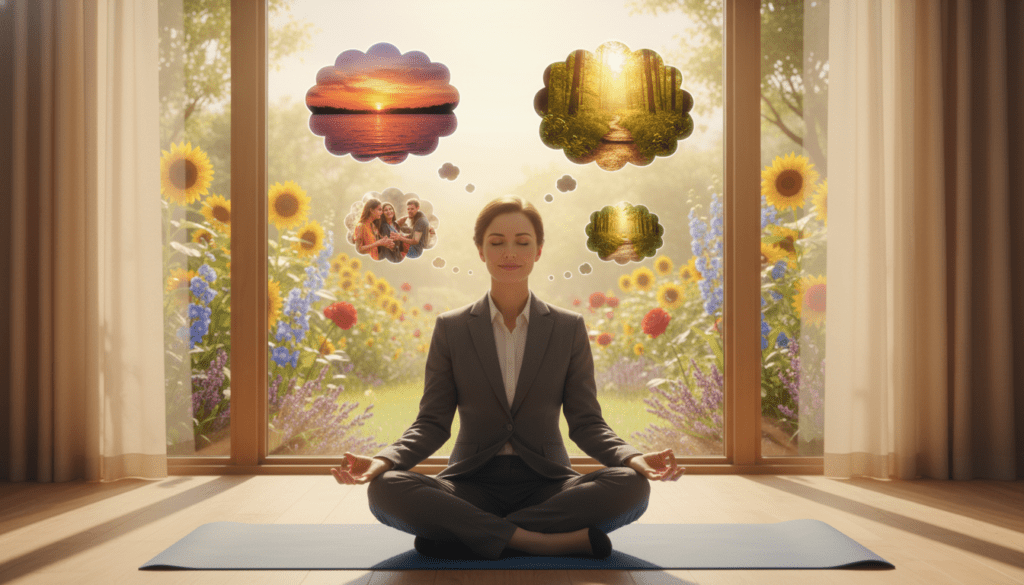
The perspective shift method works instantly to change your emotional state. Ask yourself how you’ll view this situation in five years. Most daily stressors lose their power when viewed through this lens. These psychological happiness strategies activate your prefrontal cortex, the brain region responsible for rational thinking and emotional regulation.
Practice the “Yes, and…” approach when facing challenges. Instead of “I failed at this project,” try “Yes, I made mistakes, and I learned valuable lessons.” This simple shift maintains honesty while building mental habits for joy. Your brain responds to this balanced thinking by releasing mood-boosting chemicals.
Start with one reframing exercise today. Pick a recurring negative thought and create three alternative interpretations. Write them down and review them whenever that thought returns. Within days, your brain will naturally default to these healthier patterns.
Building Neural Pathways to Contentment Through Repetition
Your brain is like a muscle that gets stronger with practice. Each time you practice brain training for wellbeing, you’re literally reshaping your mind’s architecture. These mental workouts don’t require hours of meditation or expensive apps—just simple, consistent actions that build neural pathways to happiness over time.
Why Consistency Matters in Brain Training for Wellbeing
Think of your brain as a forest with many trails. The paths you walk most often become clear and easy to follow. When you practice positive thinking daily, you’re creating superhighways in your brain that lead straight to happiness. Research from neuropsychologist Rick Hanson shows that repeating positive experiences helps your brain naturally default to optimistic thinking patterns.
The 12-Second Rule for Positive Memory Activation
Here’s a simple technique that takes just 12 seconds: When a happy memory crosses your mind, pause and savor it. Count to twelve while recalling why it made you happy—the warmth you felt, the people involved, the emotions that bubbled up. This brief pause helps your brain classify and store the memory as significant, making it easier to access during tough times.
How Daily Practice Creates Lasting Change
Cognitive reframing for positivity becomes automatic when practiced daily. Start with just three repetitions each morning. Within weeks, your brain begins seeking positive interpretations without conscious effort. Studies with PTSD patients demonstrate that these simple practices create measurable changes in brain structure, proving that happiness truly is a skill you can develop.
Mindfulness Techniques for Happiness You Can Use Anywhere
Your brain has a built-in capacity to shift from stress to calm in just seconds. Simple mindfulness practices work as powerful neurological happiness hacks that you can use during traffic jams, work meetings, or any challenging situation. These happiness neuroscience tips activate your parasympathetic nervous system, creating an instant sense of peace no matter where you are.
Instant Mindfulness Practices for Stressful Moments
When stress hits, your amygdala fires up and triggers fight-or-flight mode. You can interrupt this pattern with quick mindfulness techniques that take less than 30 seconds. Try the palm press technique: press your palms together firmly for 10 seconds while focusing on the sensation. This simple act grounds you in the present moment and stops racing thoughts.

Another effective method combines gratitude practices with sensory awareness. Notice three things you can see, then silently name one thing you appreciate about each. This shifts your brain’s attention from worry to appreciation in under 15 seconds.
Breathing Exercises That Shift Your Mental State
Your breath directly influences your nervous system and emotional state. The 4-7-8 breathing pattern works as one of the most effective happiness neuroscience tips:
- Inhale through your nose for 4 counts
- Hold your breath for 7 counts
- Exhale through your mouth for 8 counts
This pattern slows your heart rate and releases calming neurotransmitters within two cycles. Practice these gratitude practices and breathing techniques daily to build stronger neural pathways for emotional regulation.
Common Mistakes When Using Neurological Happiness Hacks
Many people sabotage their own success with mental exercises for wellbeing by falling into predictable traps. The biggest mistake is waiting for the perfect moment to start. You don’t need a quiet Sunday morning or a vacation day to begin rewiring your brain for joy. These techniques work best when practiced during regular daily activities.
Treating brain hacks as one-time solutions is another critical error. Your brain needs consistent repetition to build new neural pathways. Doing positive thinking exercises once and expecting permanent change is like going to the gym once and expecting to stay fit forever. Just as your brain can be tricked by, it can also trick you into thinking occasional practice is enough.
Physical components matter more than most people realize. Skipping the body posture adjustments or facial expressions dramatically reduces effectiveness. Your mind and body work together as a system. When you ignore the physical aspects of rewiring your brain for joy, you’re essentially trying to drive a car with only half the engine running.
Watch out for these common pitfalls:
- Practicing only when already feeling good
- Forgetting to engage your body during mental exercises
- Giving up after a few days without “feeling different”
- Overcomplicating simple positive thinking exercises
The path to lasting happiness requires patience and regular practice. Small, consistent efforts create the biggest transformations over time.
Conclusion
Your brain has incredible power to shift your mood in seconds. The brain tricks for happiness you’ve learned work because they tap directly into your nervous system’s natural processes. From power poses that boost confidence chemicals to sensory grounding that calms anxiety, these tools give you immediate control over your emotional state. Each technique uses proven biological mechanisms to create rapid changes in how you feel.
Building neural pathways to contentment requires daily practice, but the payoff is worth it. When you spend just 12 seconds recalling a positive memory or adjust your posture throughout the day, you’re training your brain to default to happiness. Research shows that our perception of time changes when we’re fully, making these quick exercises feel even more powerful. The more you use these methods, the stronger your positive neural connections become.
These mindfulness techniques for happiness work best when you make them part of your routine. Start with one or two methods that feel natural to you. Practice them during calm moments so they’re ready when stress hits. Your brain responds to consistency, and even the smallest daily efforts create lasting change. With regular use, these simple hacks transform from conscious exercises into automatic responses that keep you balanced and joyful.